Unlike other syngnathids, the weedy seadragon is not a victim of bycatch or a target of trade in traditional Chinese medicine.
Join a creative community focusing on a unique animal each month.
FaunaFocus releases a new FaunaFact every single day! These bite-sized bits of information are interesting facts paired with a unique image of that animal.
Unlike other syngnathids, the weedy seadragon is not a victim of bycatch or a target of trade in traditional Chinese medicine.
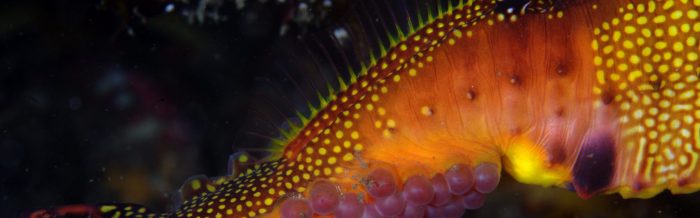
Seahorses, pipefish, and seadragons, including the weedy seadragon, are the only species in which the male carries the developing eggs.
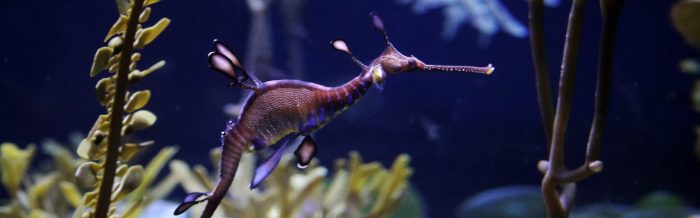
Because weedy seadragons are not good swimmers, they are slow-moving and drift in the water and rely on their primary defense mechanism of camouflage to protect them from predation.
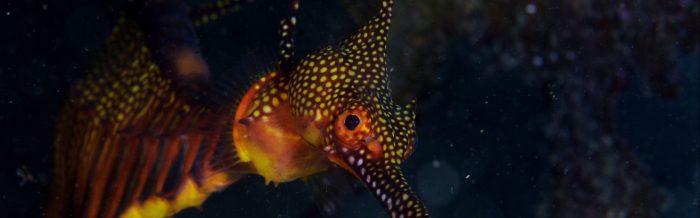
Weedy seadragons have very specific habitat requirements; the water must be 12-23°C and 8-50 m. deep, though most are found 8-12 meters deep.
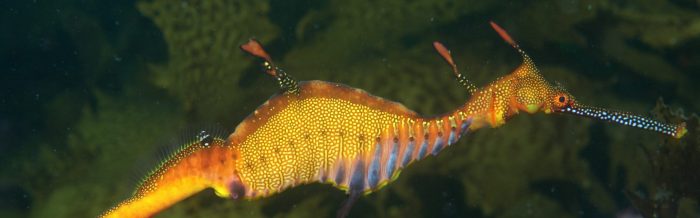
Invasive species, such as urchins, that degrade kelp habitat may be contributing to declines in weedy seadragons.
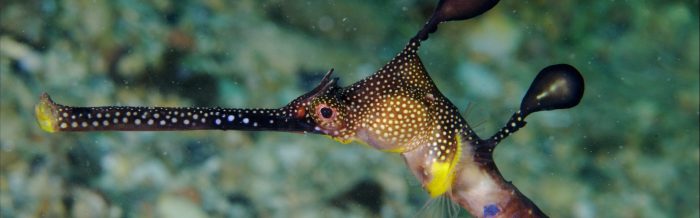
The weedy seadragon usually lives for 6 years, but exhibits variable growth and survival rates and experiences increased longevity, exceeding 10 years, at higher latitudes.
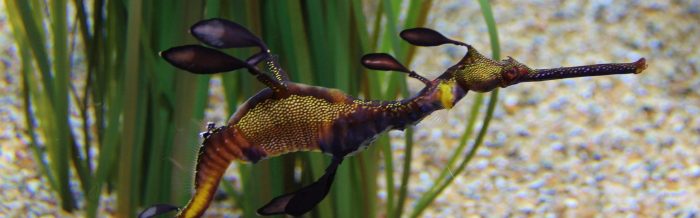
The peaceful weedy seadragon does not negatively affect humans and, in fact, promotes tourism.
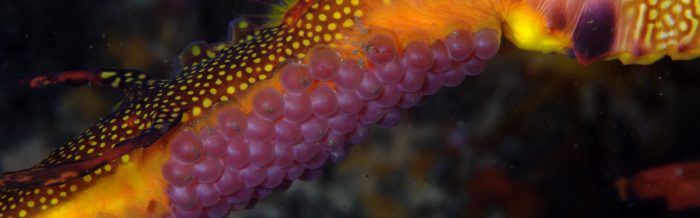
Male weedy seadragons carry the eggs externally below their tail and incubate them for up to 2 months before 120-250 offspring hatch.
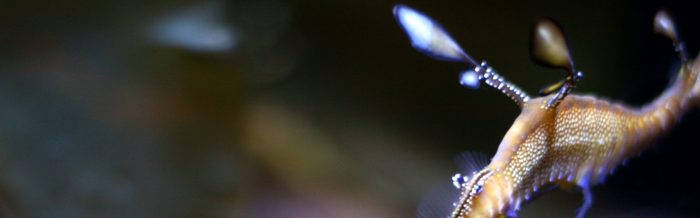
Weedy seadragons are generally solitary, but pairing and groupings of 20-40 have been observed in the Sydney area and in southern New South Wales.
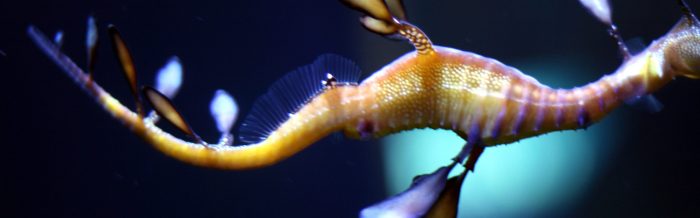
Weedy sea dragons are sexually dimorphic, as males have narrower bodies and are darker than females.

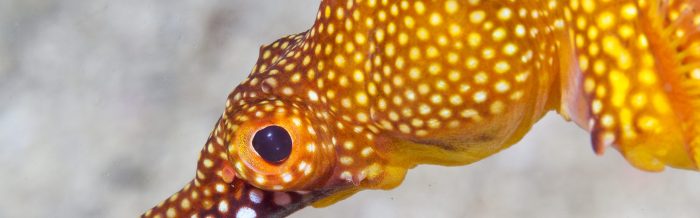
The weedy seadragon is named for its leafy appendages that provide camouflage and protection in its habitat, allowing it to resemble floating seaweed.
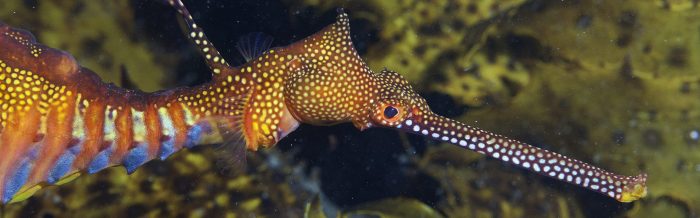
Weedy seadragons breed between July-January, usually in their second year when fully grown, but breed later, October-March, in Tasmanian waters.
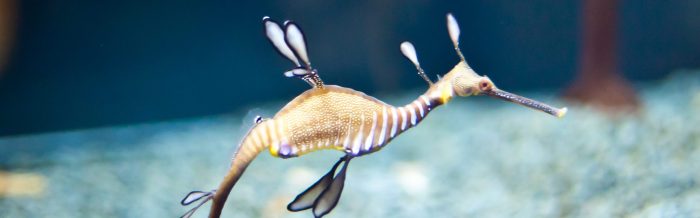
Weedy seadragons are not good swimmers because their bodies are surrounded by protective dermal plates and they lack a caudal fin.
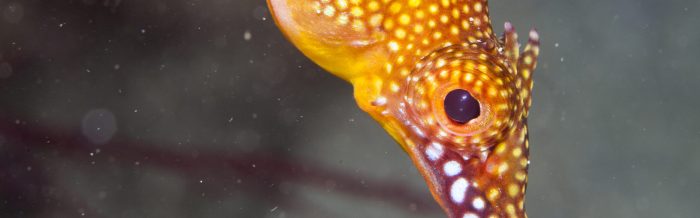
The weedy seadragon is listed as "Least Concern" on the IUCN Red List because a large portion of its range occurs in less populated areas that are not at risk.
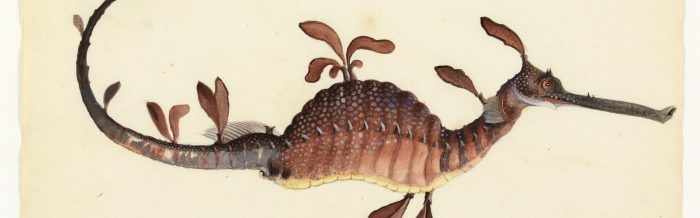
The weedy seadragon was previously the only member of its genus until the discovery of its closest relative, the ruby seadragon, in 2015.
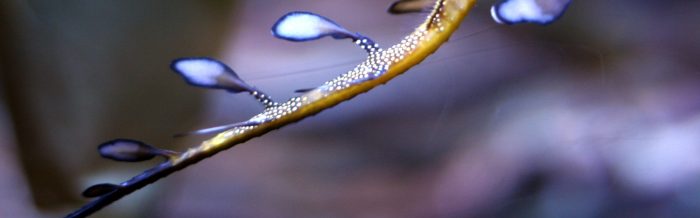
Although they are similar to seahorses, weedy seadragons do not have prehensile, gripping tails and instead use them for steering.
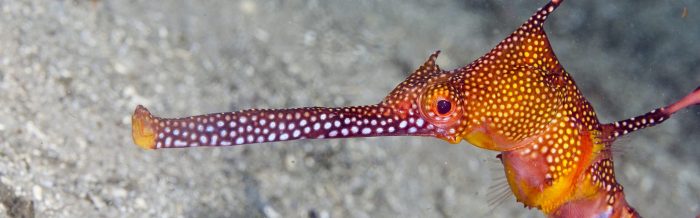
Weedy seadragons have no teeth, but instead feed by way of suction with a pipe-like terminal mouth and an intricate system of bones pulled by muscles.
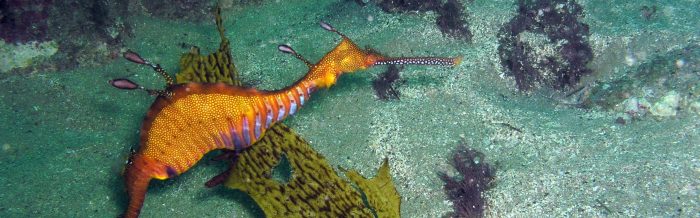
The weedy seadragon is endemic to the Australian waters of the Eastern Indian Ocean and the South Western Pacific Ocean and can be found along much of the southern Australian coastline.
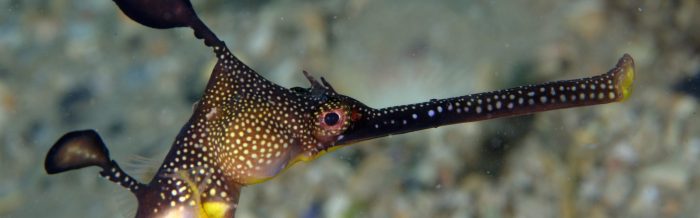
The weedy seadragon is a carnivore and feeds on mysids, carid shrimps, prawns of the genus Lucifer, and other small crustaceans.
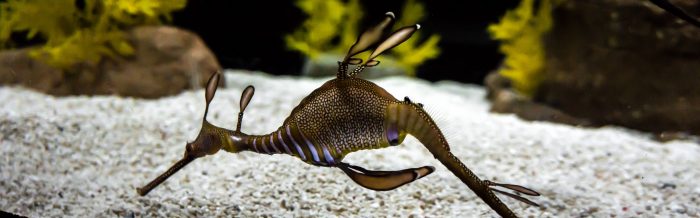
The weedy seadragon is a marine neritic animal that inhabits rocky reefs, seaweed beds, sea grass meadows, kelp gardens, and sandy areas.
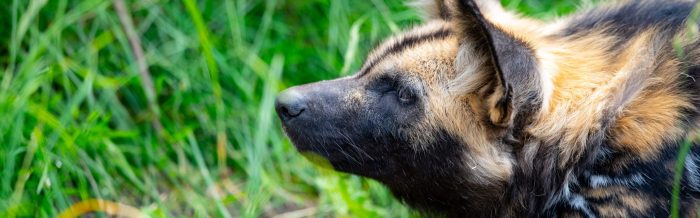
Several pieces of information are needed for more effective African wild dog conservation, such as cost-effective distribution and status surveys, landscape studies, locally-appropriate means to reduce human-wildlife conflicts, and disease protection.
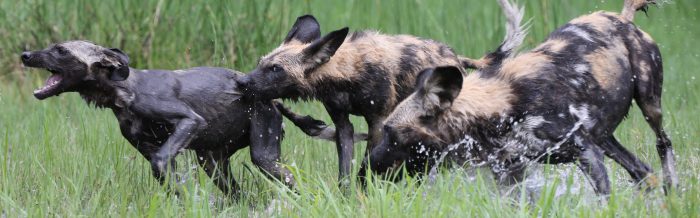
African wild dogs have a reluctance to water because of their vulnerability to crocodiles and can lose prey that flees to water.

African wild dogs never scavenge another animal's prey, no matter how fresh the kill is.

African wild dogs can chase prey for several kilometers, reaching speeds up to 55 km/hr, and will disembowel and feed on their prey while it's still alive.
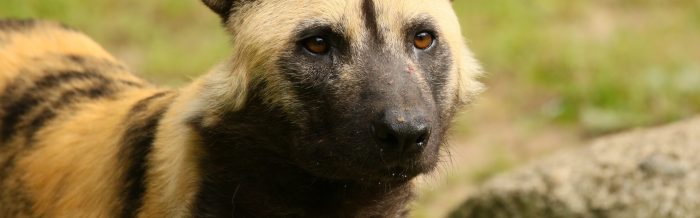
The Painted Dog Conservation center partakes in African wild dog protection, rehabilitation, education, and conservation in order to preserve this endangered species.
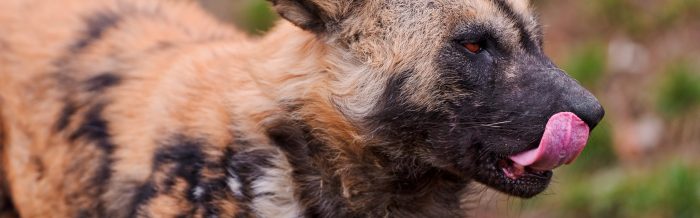
African wild dogs tolerate scavengers at their kills, except for spotted hyaenas, which they drive off, injure, or kill.
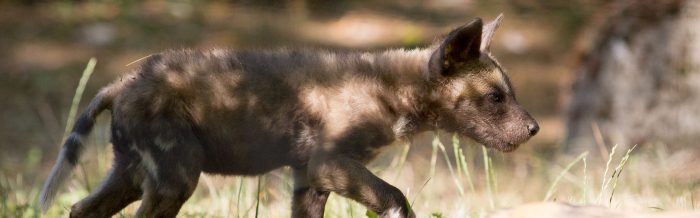
After a gestation of 10 weeks, African wild dogs give birth to 2-20 pups from March-July in grass-lined burrows, usually abandoned aardvark holes.
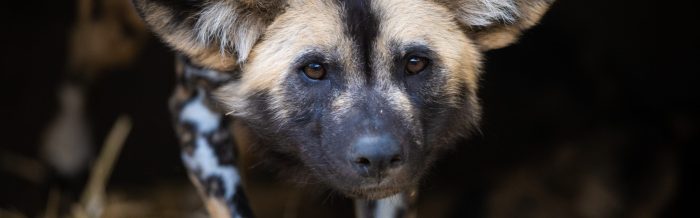
African wild dog conservation strategies have been developed in all regions of Africa and focus on coexistence between people and wild dogs, sustainable land use for the dogs, public perception of the dogs, and ensuring a policy for wild dog conservation.

Because female African wild dogs usually leave their natal packs, while up to half of males stay, packs tend to average more males than females.
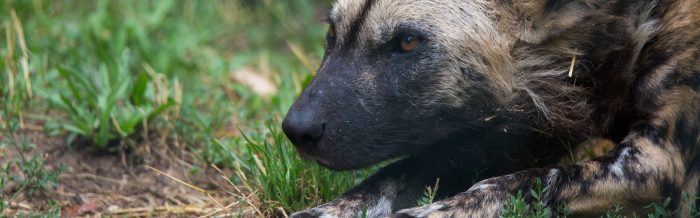
African wild dogs take part in cooperative breeding as each member of the pack cares for the young and all females help in nursing the pups.
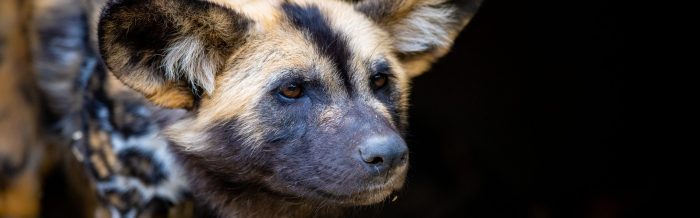
Because the name "African wild dog" has negative connotations, conservationalists are attempting to rebrand the endangered canine as "painted wolf" to help with conservational efforts.
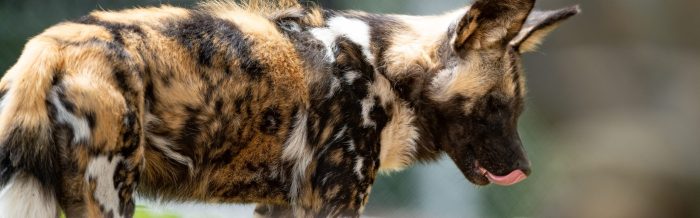
On occasion, some of the food African wild dogs get from larger kills may be cached, though they rarely return to the cached food.
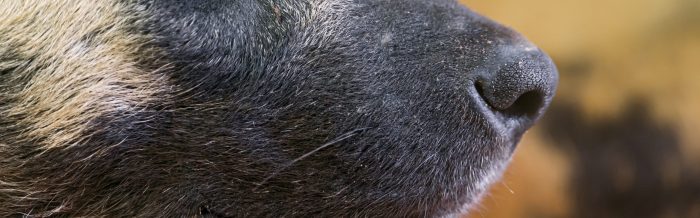
Unlike most canines, African wild dogs are not territorial and do not urine mark their territories or keep exclusive home ranges.