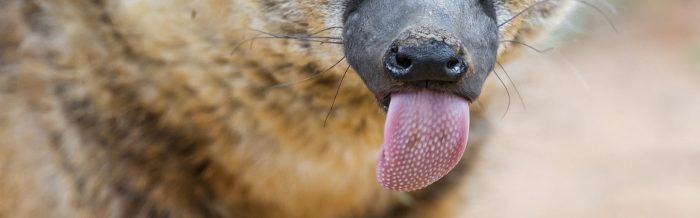
Unlike most other ant- or termite-eating mammals, which have to dig to access their prey, the aardwolf licks termites from the soil surface using its broad, sticky tongue.
Join a creative community focusing on a unique animal each month.
FaunaFocus releases a new FaunaFact every single day! These bite-sized bits of information are interesting facts paired with a unique image of that animal.
Unlike most other ant- or termite-eating mammals, which have to dig to access their prey, the aardwolf licks termites from the soil surface using its broad, sticky tongue.
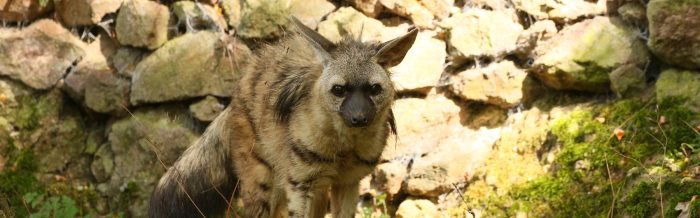
There are two separate populations separated into two different subspecies, of aardwolves, one located in southern Africa and the other in northeastern Africa.

The aardwolf is slightly larger than a jackal or a fox.
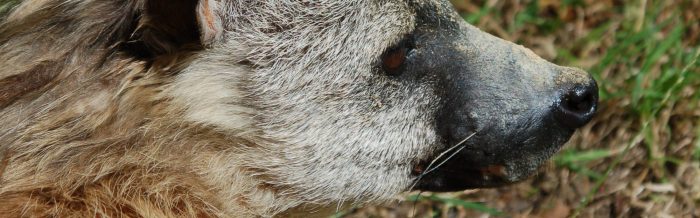
The most noticeable differences between aardwolves and hyenas are in the skull and dentition as aardwolves have much slender skulls with small teeth.

At 45-50cm (18-20in) tall and 85-105cm (33-41in) long, the aardwolf is the smallest of the hyena species and is significantly smaller than all other hyenas.
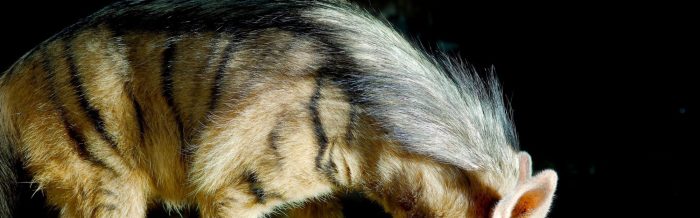
The coarse hairs of the aardwolf's dorsal crest are the longest of all carnivores and stand at about 20cm (8in) on the shoulders.
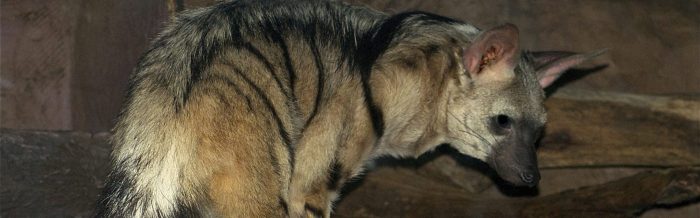
The aardwolf superficially resembles the striped hyaena, but it's less than half the size and its stripes are much more regular.
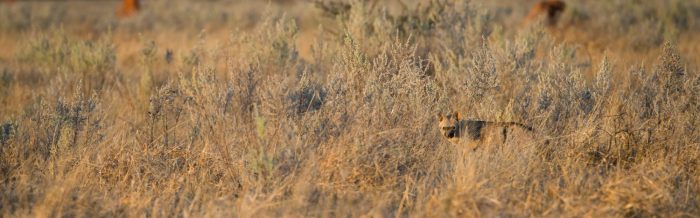
Aardwolves are endemic to the continent of Africa and are found in grasslands, savannas, and shrublands.
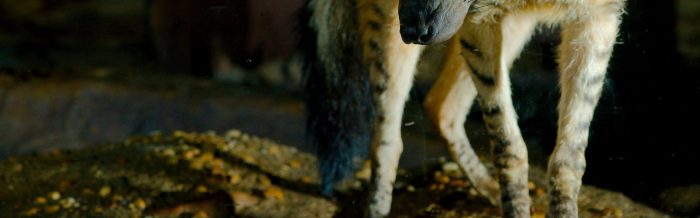
There is no sexual dimorphism in the body size of the aardwolf as both males and females are roughly the same size with no striking differences.

Unlike other members of the Hyaenidae family, aardwolves have five digits on their front feet and four on their hind feet.
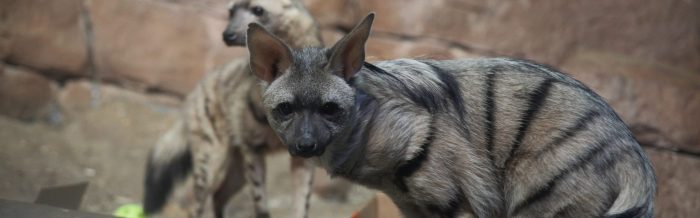
Aardwolves are socially monogamous and family oriented, with males and females living together in a territory.
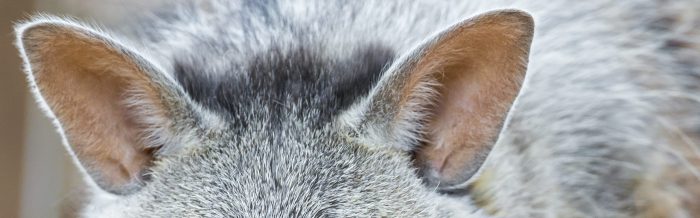
The aardwolf has very large ears and eyes for its size, adapted for its nocturnal lifestyle.
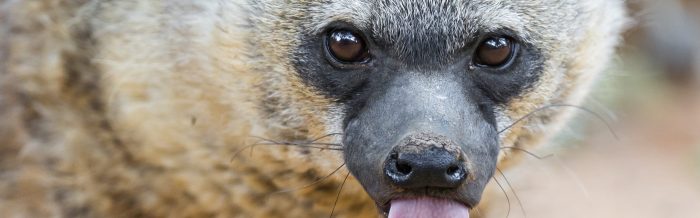
As an insectivorous carnivore, the aardwolf's favorite food is insects, especially termites, which it helps to control.
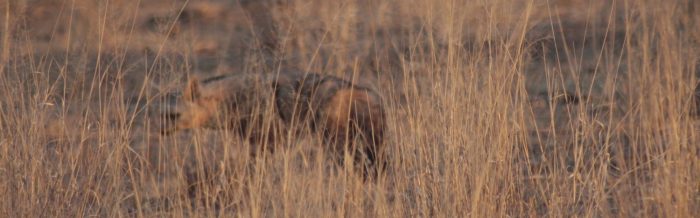
Aardwolves cannot kill livestock, yet many are killed by fearful farmers each year.