White rhinos have a longer lifespan in the wild, living an average of 39-43 years in the wild and 27-30 years in captivity.

Join a creative community focusing on a unique animal each month.
White rhinos have a longer lifespan in the wild, living an average of 39-43 years in the wild and 27-30 years in captivity.

White rhinos are economically important for humans, causing increases in ecotourism and reducing the chances of wildfires.

White rhinos are pale gray and are not named for white skin, but as a mistranslation of "wide," referring to their wide mouths.

Although the white rhino is capable of injuring people, there is no mortality associated with it, as they are non-aggressive.

The average ticket price to see white rhinos in the Kruger National Park of South Africa has tripled in the last decade.

White rhinos are nearsighted, but have heightened senses of hearing and smell.

White rhinos rarely share their territory with black rhinoceroses.

Olfactory communications play a major role for the white rhino, including communal dung heaps and urine marking.

To improve population growth, many white rhino are concentrated in fenced sanctuaries, conservancies, rhino conservation areas, and intensive protection zones.

Fossils and cave paintings in Kenya and northern Tanzania suggest that the white rhino was widespread in East Africa until 3,000 years ago.

The southern white rhino was on the brink of extinction in 1895, having been reduced to less than 50 animals, but now has a population of over 20,000.

Although illegal hunting only impacted 0.2% of white rhinos in 2005, poaching has increased over 3,000% and is beginning to threaten the sustainability of the species.

Numbers of white rhino under private ownership continue to increase, numbering at least 5,500 by the end of 2010.

White rhino mothers are the sole caregivers of the young for 2-3 years, while males have no parental investment on calves beyond the mating process.

Due to poaching and civil wars, the northern white rhino subspecies is considered extinct in the wild.

Female white rhinos are slightly smaller than males and have longer and thinner horns.

98.8% of white rhino occur in just four countries: South Africa, Namibia, Zimbabwe and Kenya.

White rhino horn is highly prized for making ornately carved handles for jambiyas, ceremonial daggers worn in some Middle East countries.
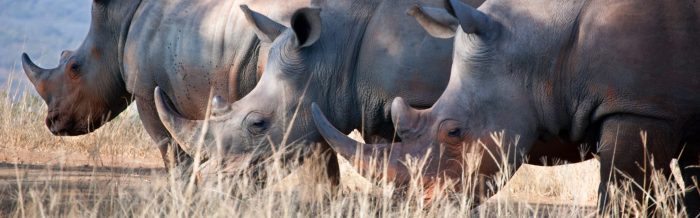
There are 10,000 white rhinos in the wild and 750 in captivity worldwide.
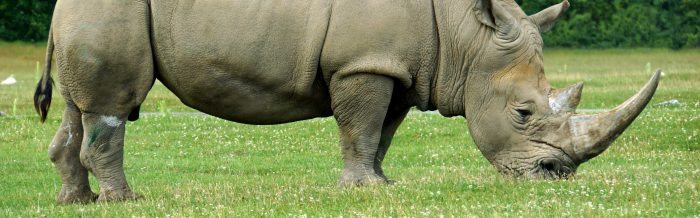
There are more white rhinos on private land in South Africa than there are rhino in the whole of the rest of Africa.

The southern white rhino is the most numerous of the rhino taxa.
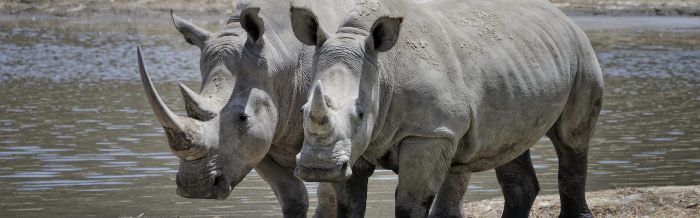
Two subspecies of the white rhino are recognized: the southern white rhino, (SWR) C. s. simum, and the northern white rhino, (NWR) C. s. cottoni.

With only two individuals left, the northern white rhino has little chance of surviving extinction unless inter-crossing with the southern white rhino.

There is debate whether the northern white rhino should be considered a separate species, rather than a subspecies, of the white rhinoceros.
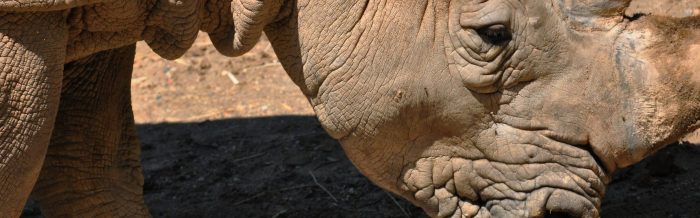
White rhinos are "Near Threatened" due to illegal poaching as a result of organized criminal syndicates, increased black market prices, and nontraditional medicinal uses of rhino horn.
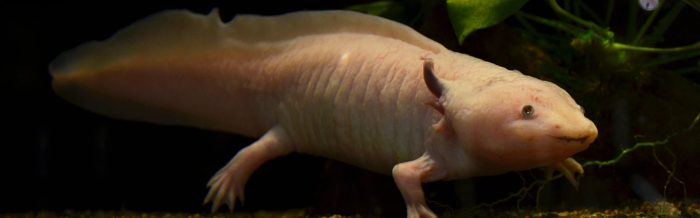
Generally the top predator, axolotls will eat anything they can catch, including molluscs, fishes, and arthropods.
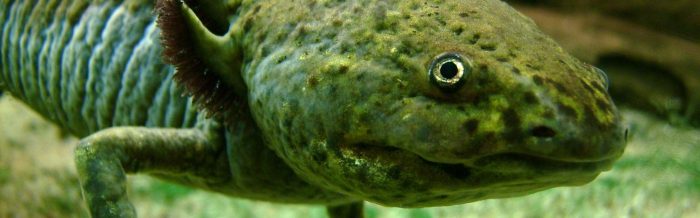
Invasive species, such as tilapia and carp, negatively impact wild axolotls through competition, predation, and the spread of disease.

Axolotls are an important research animal and are used in studies of the regulation of gene expression, embryology, neurobiology, and regeneration.

The traditional consumption of the axolotl by local people, is threatening the survival of the species.

Although there are many captive axolotl, the re-introduction of captive-bred axolotls is not recommended until threats, disease, and genetic risks can be mitigated.

Male and female axolotls can be distinguished by the cloaca and the plumpness of the body.
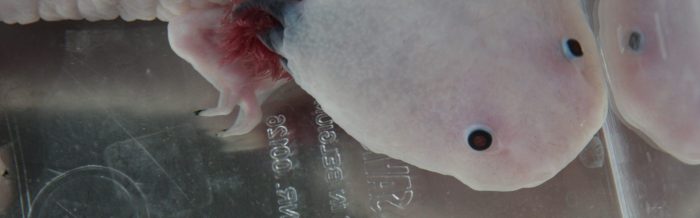
Despite its status in the wild, the axolotl is one of the most widely used and studied animals in laboratories and aquaria around the globe.
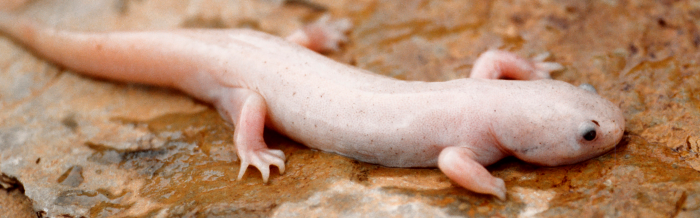
Female axolotl lay up to 1,000 eggs every 3-6 months in freshwater plants, like many other amphibians.