Tigers are one of the highest-jumping mammals, perhaps second only to the puma.
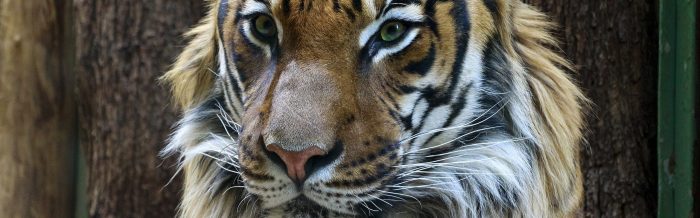
Join a creative community focusing on a unique animal each month.
FaunaFocus releases a new FaunaFact every single day! These bite-sized bits of information are interesting facts paired with a unique image of that animal.
Tigers are one of the highest-jumping mammals, perhaps second only to the puma.
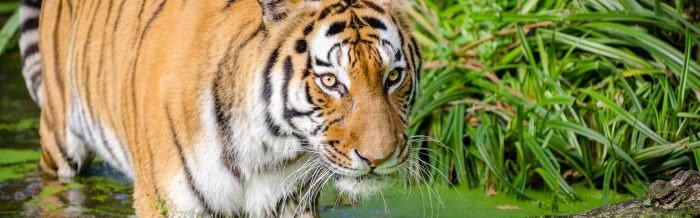
Of the living tiger subspecies, Sumatran tigers are the smallest, and Bengal tigers are the largest.
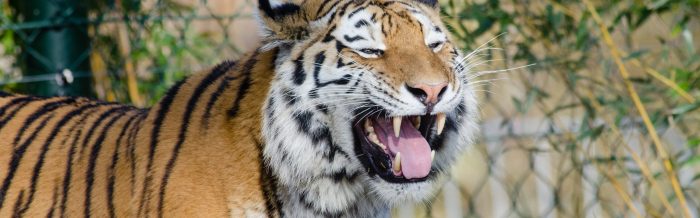
Wandering male tigers may kill cubs to make females receptive.
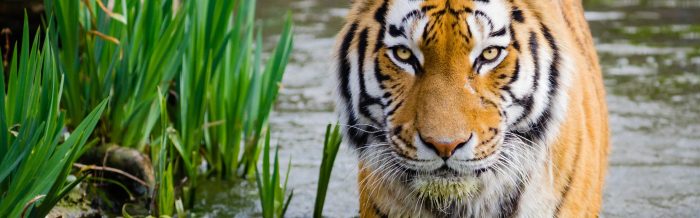
Many tigers are conflict-killed, harmed by people seeking to protect life and livestock.
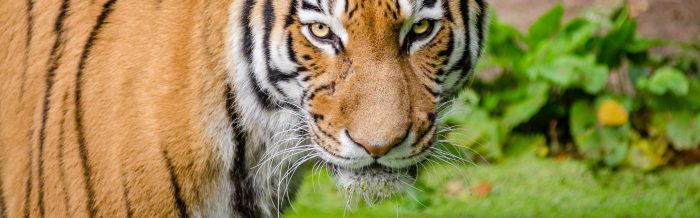
Of all the land carnivores, the tiger is the only species known to take down a full-grown male elephant, one-on-one.
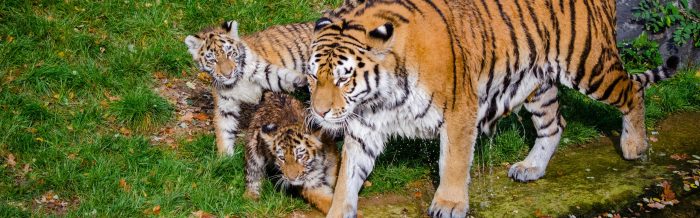
A tiger's gestation period is 96-111 days and 1-5 cubs are born.

The thirteen Tiger Range Countries pledged to double the world’s tiger population by 2022, the next Year of the Tiger on the Asian lunar calendar, with a goal of achieving at least 6,000 tigers.
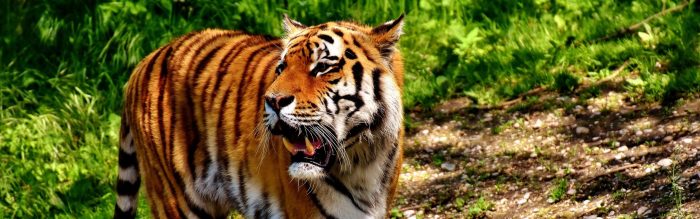
Tigers can take ungulate prey at least five times their weight, including large bovids, elephants, rhinos, leopards, and bears.
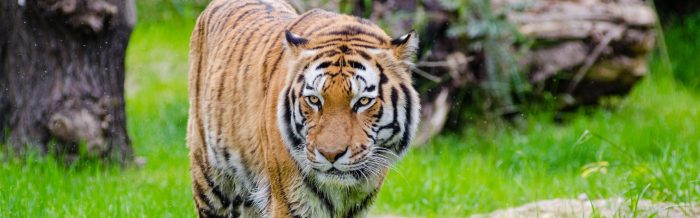
Tigers are generally solitary, maintaining exclusive territories, or home ranges, and only interacting for mating.

Tigers need to kill 50-60 large prey animals per year.
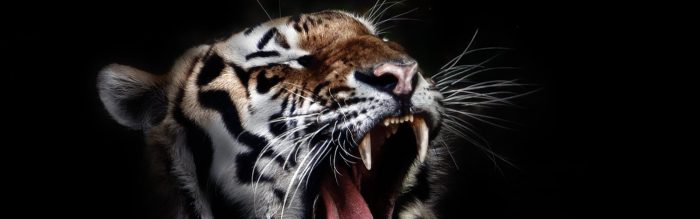
Tigers are opportunistic predators and their diet includes birds, fish, rodents, insects, amphibians, reptiles, and even other mammals such as primates and porcupines.

Tigers once ranged widely across Asia, but now inhabit less than 6% of their historic range.
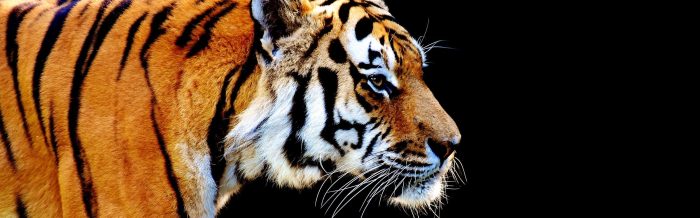
The tiger is listed as endangered because the population of mature individuals may be fewer than 2,500 individuals.
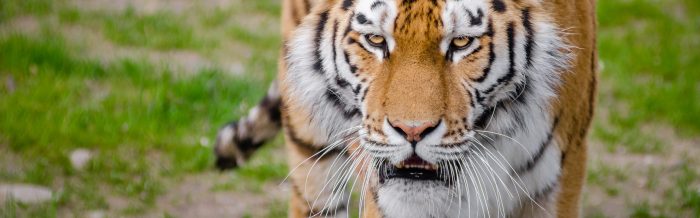
Tiger populations have declined much greater than 50% over the last three generations.
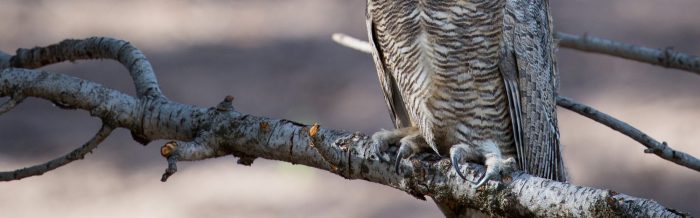
The great horned owl does not disturb the balance of nature.
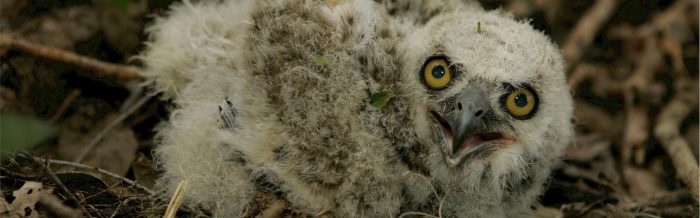
There is a low percentage of infertility in great horned owl eggs.
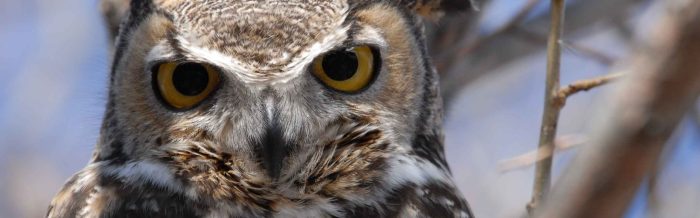
Any white moving object is likely to attract the attention of the great horned owl and bring on an attack.
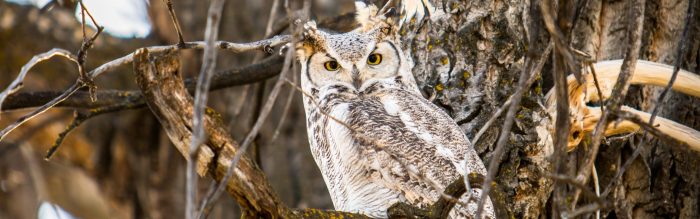
Great horned owls sometimes line their nests with feathers and fur from prey birds and rabbits.
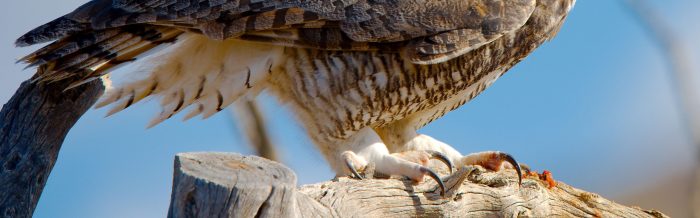
The great horned owl's speed, weight, and muscular power all combine to give the bird the force to overcome animals many times its own weight.
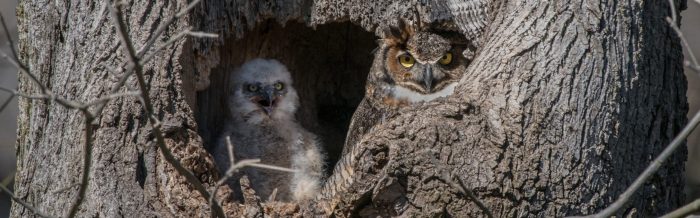
Great horned owls nest in almost every type of situation in which birds nest, a range of variation unequaled by any other North American bird.
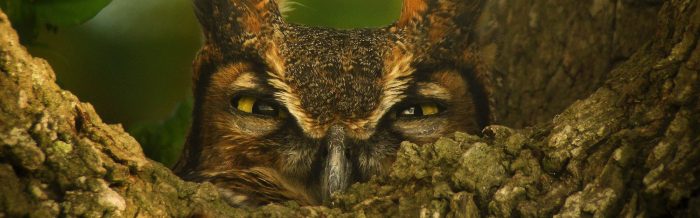
The great horned owl often has a regular feeding roost, to which it brings its prey to be torn up and devoured.
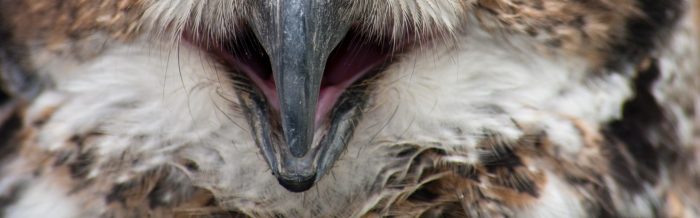
The primary function of great horned owl hooting is to attract a mate.
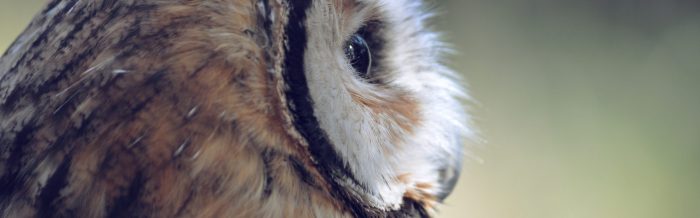
Hearing is exceedingly acute in great horned owls.
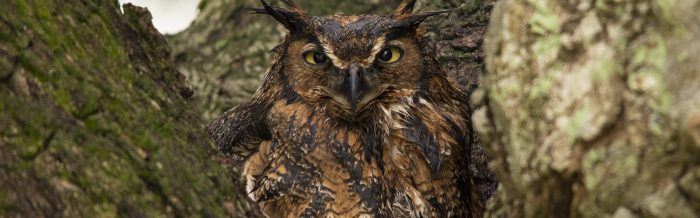
There may be a direct correlation between the number of great horned owl eggs and the abundance of food.

Great horned owls have yet to be tamed and seldom make satisfactory pets.
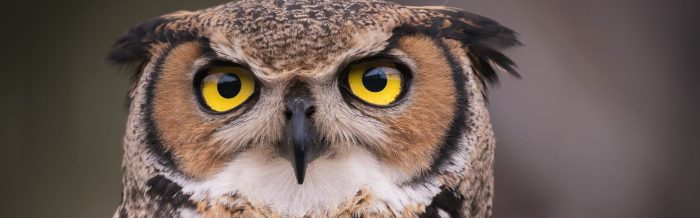
The great horned owl is strictly carnivorous and eats almost every living woodland animal above ground except the largest mammals.
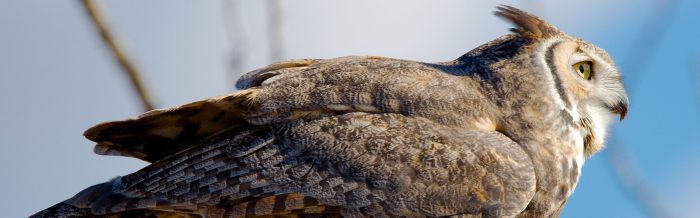
The great horned owl is not only the most formidable in appearance of all owls, but it is also the most powerful.
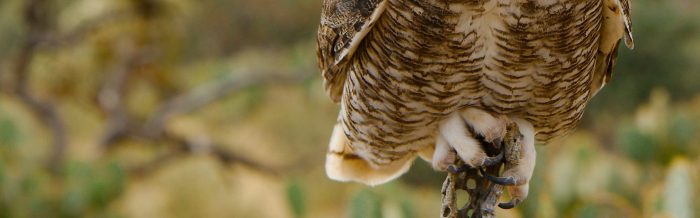
The great horned owl's talons lock round limbs and hold the bird firmly to sleep.
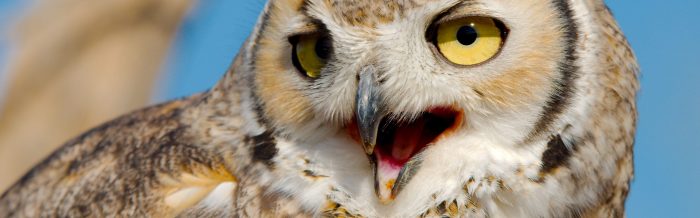
A secondary function of a great horned owl's hooting is its challenge to others of his sex.
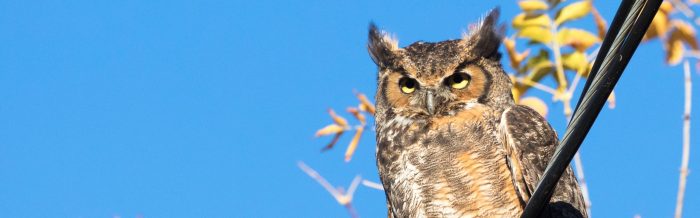
The great horned owl is common and widely distributed.
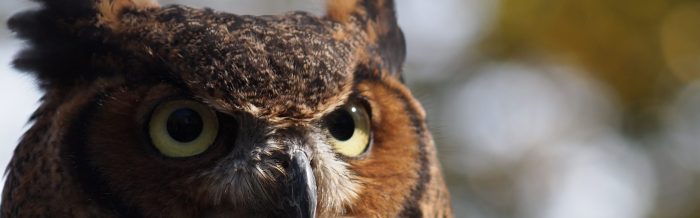
Certain indigenous tribes regarded the great horned owl as the very personification of the Evil One.

The great horned owl is the largest of the common resident owls of the United States.
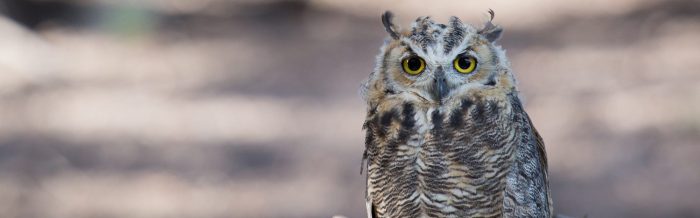
Great horned owls have been known to act as if wounded as a protest against intruders to their nests with young.