Spectacled bears are mainly herbivorous folivores and frugivores, but are technically omnivores with 5% of their diet composed of meat.

Join a creative community focusing on a unique animal each month.
FaunaFocus releases a new FaunaFact every single day! These bite-sized bits of information are interesting facts paired with a unique image of that animal.
Spectacled bears are mainly herbivorous folivores and frugivores, but are technically omnivores with 5% of their diet composed of meat.

The spectacled bear is listed as "Vulnerable" on the IUCN Red List of Threatened Species and has a high risk of going extinct in the next 30 years.
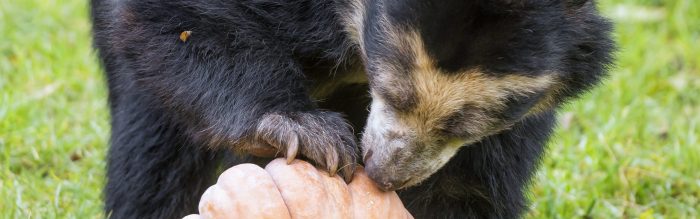
Spectacled bears are the second most herbivorous bear species, after giant pandas, and have a strong preference for bromeliads and fruits.
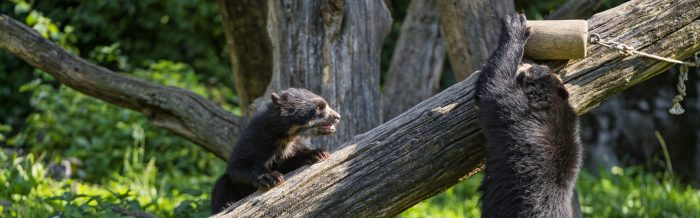
Like all bears, spectacled bears have a plantigrade stance with longer front limbs than hind limbs that give them excellent climbing abilities.
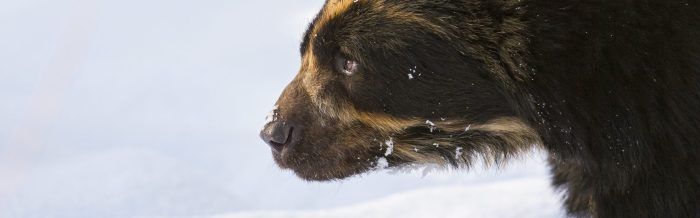
Spectacled bears are adaptable and can inhabit a wide variety of altitudes from as low as 250m to as high as the mountain snow line at over 5,000m.
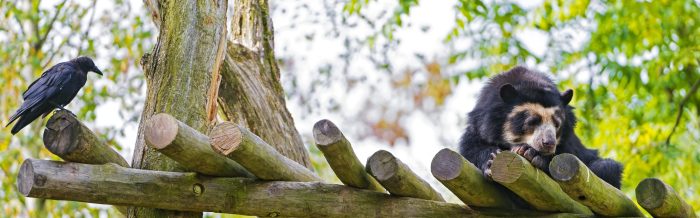
Spectacled bears are 1 of 4 extant bear species that are habitually arboreal, alongside the American black bear, Asian black bear, and the sun bear.
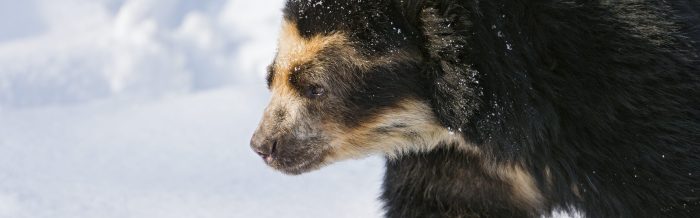
Spectacled bears are non-territorial, solitary animals, except when a female is with cubs, but can gather in areas where food is abundant.

Spectacled bears are named for the varied, light face markings that encircle the eyes and extend down the chest.
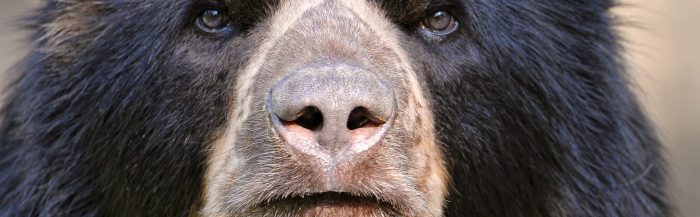
Spectacled bears are the largest land carnivore and second largest terrestrial mammal in South America, after the lowland tapir.
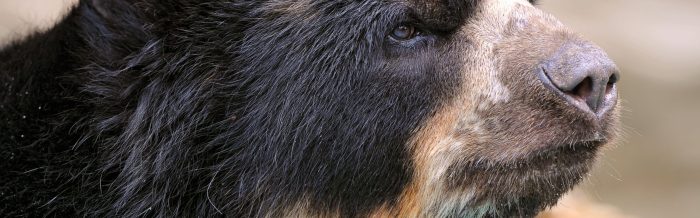
The spectacled bear, or Andean short-faced bear, is the last remaining short-faced bear and has a relatively short snout compared to other bear species.
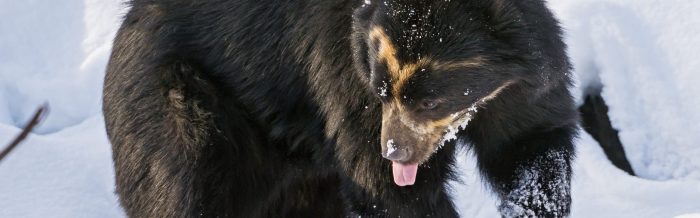
The spectacled bear's scientific name, Tremarctos orantus translates to "hole-bear decorated," referring to an unusual hole on the bear's humerus and the ornate decorations on its face.
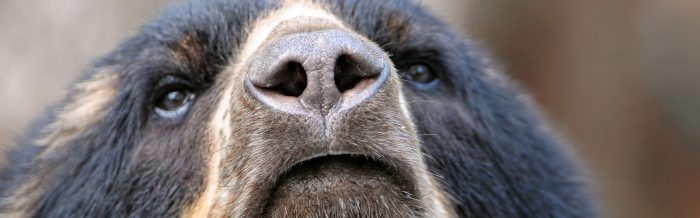
Olfaction is the dominant form of communication for spectacled bears.
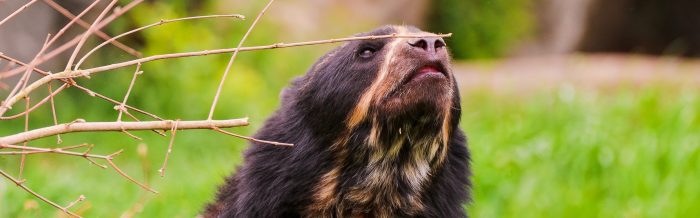
The spectacled bear's role in the ecosystem remains largely unstudied, but it plays a role in seed dispersal because of its largely herbivorous diet.
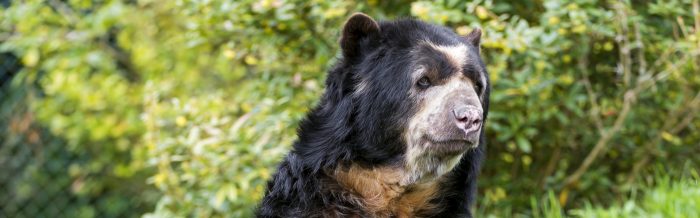
The spectacled bear is the only species of bear native to South America and is known as the "Andean Bear" as it's almost entirely found in the Andes Mountains.
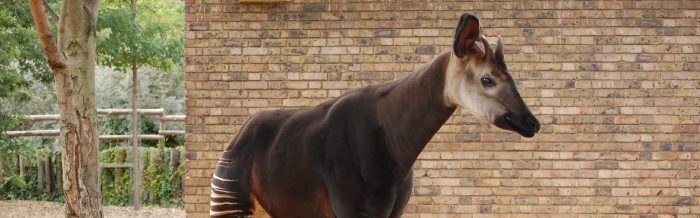
Lack of knowledge endangers the okapi as little field research has been done on the species due to its inaccessible habitat and reclusive nature.
Rather than having the normal 46 chromosomes, okapi more commonly have 45 or 44 chromosomes, a number that's usually abnormal or fatal for other animals.
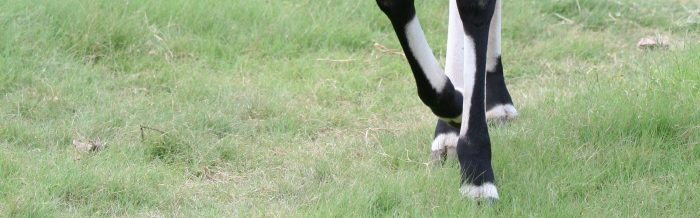
Because of its long legs, the okapi can gallop at speeds of 56.3kph, but like giraffes, the okapi must splay its legs to reach the ground when drinking.
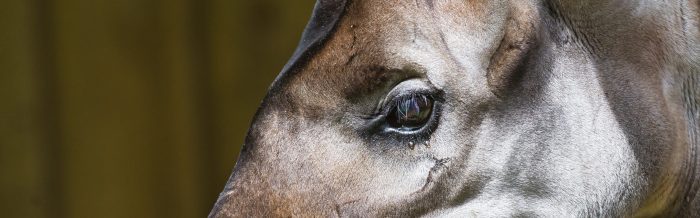
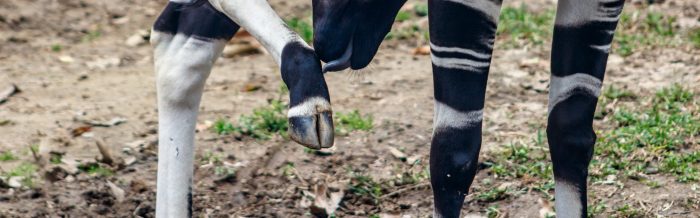
Because okapi have poor eyesight, calves rely on the white coloration on their mothers' lower legs to contrast against the dark forest, thus allowing them to easily follow behind.
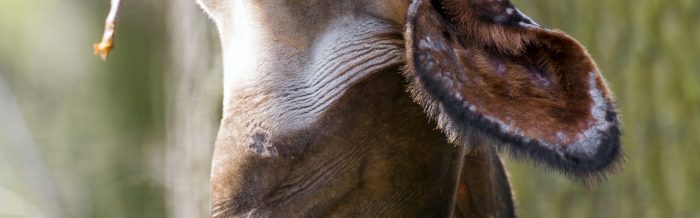
Okapis show dominance with body posture, as dominant okapi maintain an erect stature and subordinates lower their heads to the ground in submission.
Okapis have few vocalizations, but will chuff, moan, and bleat as important social interactions in bonding, courting, and times of distress.

An okapi calf will spend 80% of its first 2 months hiding motionless and alone in a nest, infrequently nursing, in order to remain undetected by predators.
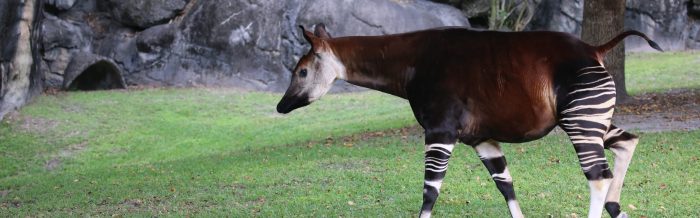
Okapi have declined 50% in the last 24 years and are listed as "Endangered" by the IUCN due to habitat loss, deforestation, and poaching.
Okapis are generally tranquil, but males can be aggressive when competing for females, engaging in neck fighting, head butting, head throwing, kicking, charging, and slapping.

Young okapi are precocial and may nurse after 21 minutes and stand after just 30 minutes, but won't be fully developed until 3 years of age.
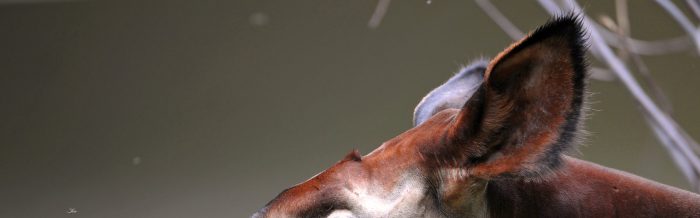
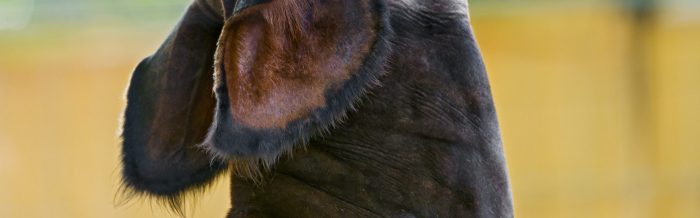
With its large auditory bullae and 25cm external ear lobes, the okapi has acute hearing and can hear and transmit low-frequency infrasonic sounds below audible range for humans.
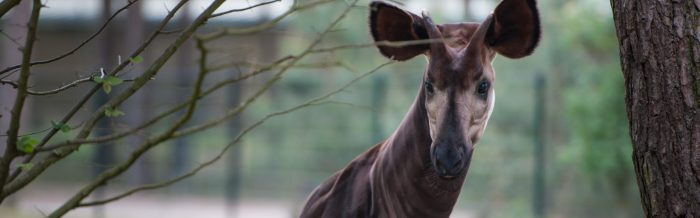
Okapis use tree rubbing, feces, and dance-like crossed-legged movements while urinating to mark their territory, doing so most often during courtship.
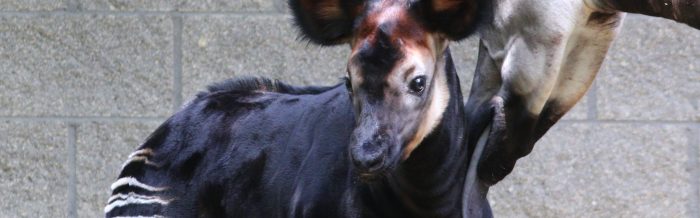
Okapi calves are born with a conspicuous mane and long, "false eyelashes" around their eyes that are largely lost by adulthood.
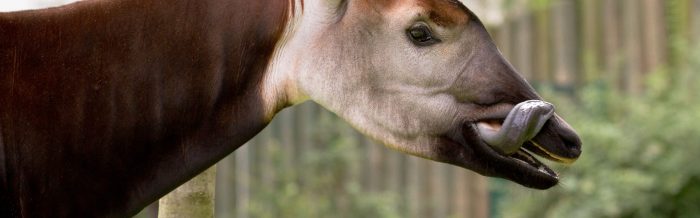
Social grooming and play behavior, such as tail wagging and rolling on the ground, is common in both sexes and all age classes of okapi, though infants play more frequently than adults.
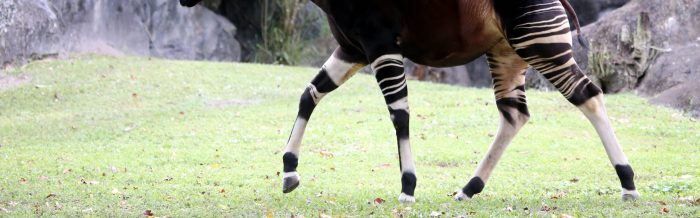
Like the giraffe and unlike other ungulates, the okapi simultaneously steps with the front and hind leg on the same side of the body.
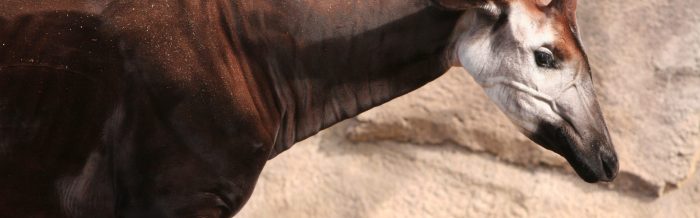
After a 440-day gestation period, female okapis retreat into dense forest vegetation to give birth to a single newborn calf weighing 14-20 kg.
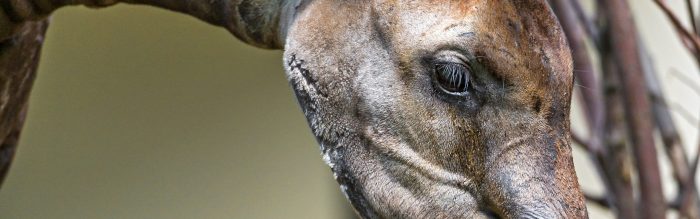
The okapi's lifespan is about 15-33 years in captivity, but data from wild populations is unavailable.
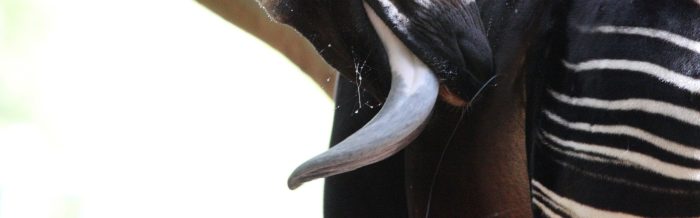
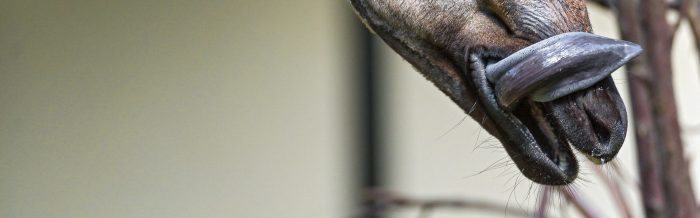
The most giraffe-like feature of the okapi is the long, dark blue-violet, prehensile tongue which is used for plucking from trees and shrubs as well as for grooming.
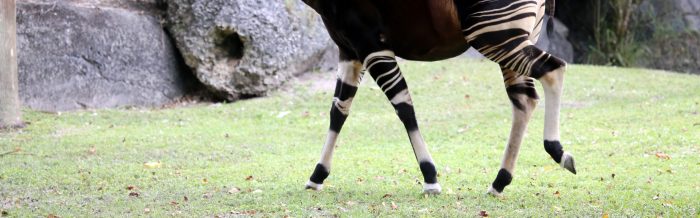
Okapi keep defined, non-exclusive, overlapping home ranges with males maintaining more land than females and breeding females having more stable ranges.