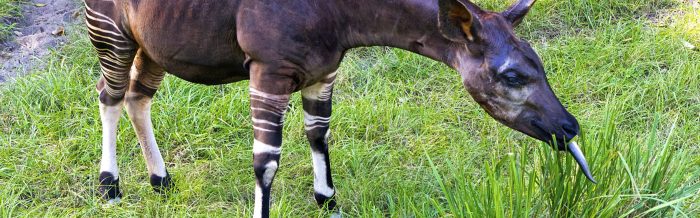
Skip to content
  • Get Involved
    • Assets
    • Calendar
    • Contact
    • F.A.Q.
  • Education
    • Fauna
    • FaunaFacts
    • Trivia
  • Inspiration
    • Art
    • Artists
    • Free-For-All
  • Conservation
Przewalski's Horse#FaunaFocus

FaunaFocus

Join a creative community focusing on a unique animal each month.

Category: FaunaFacts

FaunaFocus releases a new FaunaFact every single day! These bite-sized bits of information are interesting facts paired with a unique image of that animal.

Okapi

Okapi

Posted on July 12, 2018October 13, 2019 by Noelle M. Brooks in FaunaFacts

Male okapi possess ossicones, a pair of supraorbital, hair-covered frontal horns that can grow up to 15 cm in length and incline posteriodorsally from the skull.

Tagged OkapiLeave a comment
Okapi

Okapi

Posted on July 11, 2018March 22, 2019 by Noelle M. Brooks in FaunaFacts

The okapi is the only species of forest ungulate to depend on understory foliage and feeds on more than 100 species of vegetation, many of which are poisonous to humans.

Tagged OkapiLeave a comment
Okapi

Okapi

Posted on July 10, 2018March 22, 2019 by Noelle M. Brooks in FaunaFacts

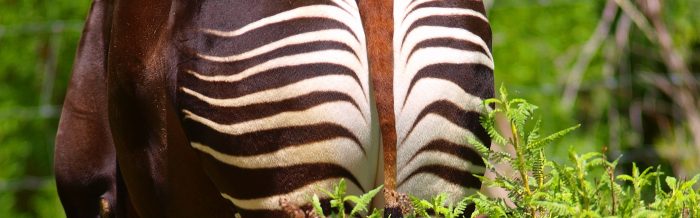
There is sexual dimorphism in the okapi as females are taller and slightly more red than males, have smaller home ranges, and lack the frontal horns that males possess.
Tagged OkapiLeave a comment
Okapi

Okapi

Posted on July 9, 2018March 22, 2019 by Noelle M. Brooks in FaunaFacts

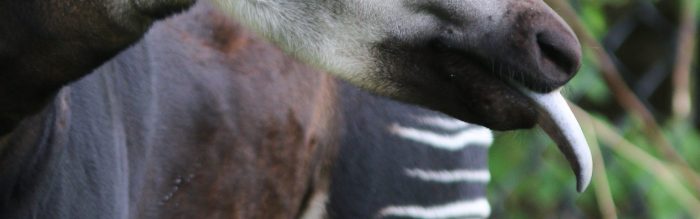
The okapi differs from its nearest extant relative, the giraffe, in habitat, size, proportion, coloration, vocalizations, and other distinguishable features.
Tagged OkapiLeave a comment
Okapi

Okapi

Posted on July 8, 2018March 22, 2019 by Noelle M. Brooks in FaunaFacts

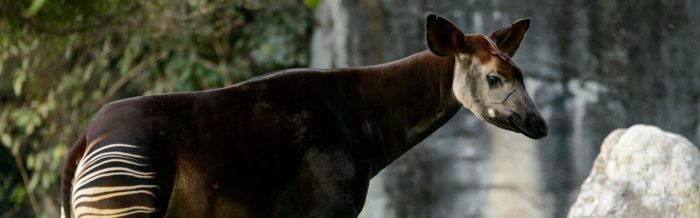
Okapi were previously thought to be nocturnal, but are now considered diurnal with 30-50% of their day spent resting, and foraging occurring in the mid-morning or late afternoon.
Tagged OkapiLeave a comment
Okapi

Okapi

Posted on July 7, 2018March 22, 2019 by Noelle M. Brooks in FaunaFacts

Okapi are limited to closed, high canopy forests and dense rainforests and frequent river banks and stream beds.
Tagged OkapiLeave a comment
Okapi

Okapi

Posted on July 6, 2018March 22, 2019 by Noelle M. Brooks in FaunaFacts

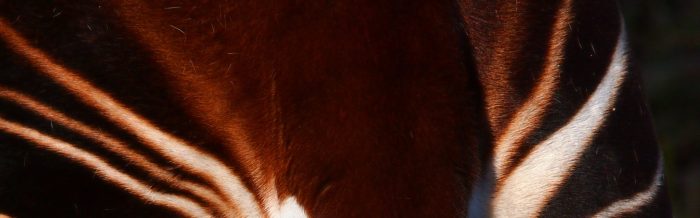
The okapi has a striking visual appearance and unique color pattern that allows it to disappear into the background of dense vegetation and rotting leaves where it lives.

Tagged OkapiLeave a comment
Okapi

Okapi

Posted on July 5, 2018March 22, 2019 by Noelle M. Brooks in FaunaFacts

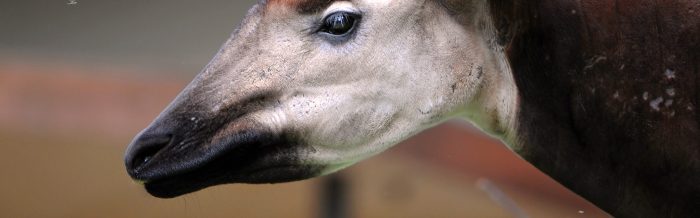
Okapis are endemic to the tropical rainforests of northeastern Zaire and are generally limited to altitudes between 450 and 1,000 meters.
Tagged OkapiLeave a comment
Okapi

Okapi

Posted on July 4, 2018March 22, 2019 by Noelle M. Brooks in FaunaFacts

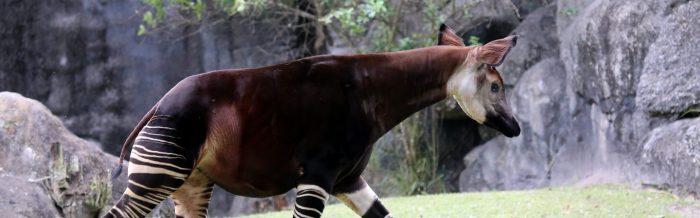
In the wild, okapi are mainly solitary and occur alone or in mother-offspring pairs, usually only coming together for mating.
Tagged OkapiLeave a comment
Okapi

Okapi

Posted on July 3, 2018March 22, 2019 by Noelle M. Brooks in FaunaFacts

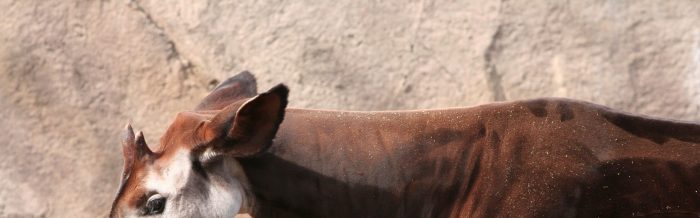
The okapi is a medium-sized giraffid resembling a horse and averaging 2.5 m long, 1.5 m tall at the shoulder, and 250 kg.
Tagged OkapiLeave a comment
Okapi

Okapi

Posted on July 2, 2018March 22, 2019 by Noelle M. Brooks in FaunaFacts

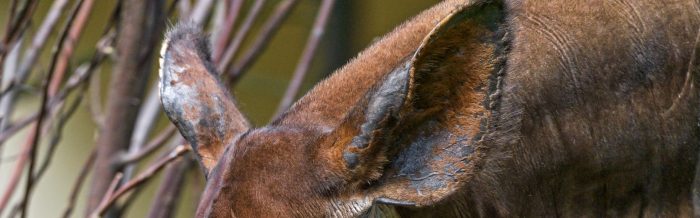
Although the okapi falls under the Giraffidae family and is related to the giraffe, some researchers debate it's a closer relative to the nilgai antelope in the Bovidae family.
Tagged OkapiLeave a comment
Okapi

Okapi

Posted on July 1, 2018March 22, 2019 by Noelle M. Brooks in FaunaFacts

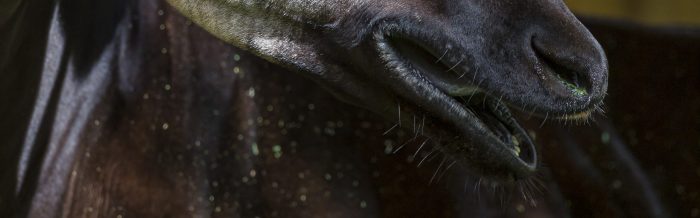
The okapi has larger, more flexible ears and a relatively longer neck than other ruminants, perhaps correlated with locomotor coordination of the giraffid pacing gait.
Tagged OkapiLeave a comment
Okapi

Okapi

Posted on July 1, 2018March 22, 2019 by Noelle M. Brooks in FaunaFacts

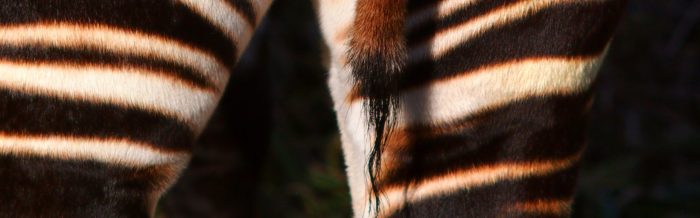
The brachyodont teeth of okapi are like other paleotragines, but it has smaller incisors and larger cheek teeth.
Tagged OkapiLeave a comment
Okapi

Okapi

Posted on July 1, 2018March 22, 2019 by Noelle M. Brooks in FaunaFacts

The okapi's scientific name, Okapia johnstoni, is a combination of the pygmy word, O'Api and a tribute to the okapi's 1901 western discoverer, Sir Harry Johnston.

Tagged OkapiLeave a comment
Beluga Whale

Beluga Whale

Posted on June 30, 2018March 22, 2019 by Noelle M. Brooks in FaunaFacts

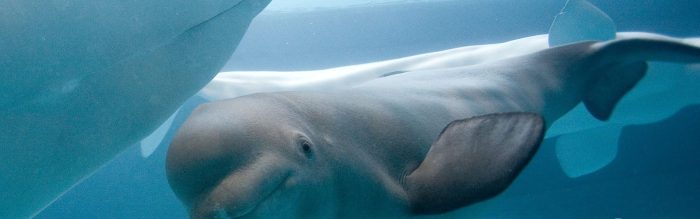
Female beluga whales become sexually mature before males, at 4-7 years, and reproduce every 2-3 years until about 20 years of age.
Tagged Beluga WhaleLeave a comment
Beluga Whale

Beluga Whale

Posted on June 29, 2018March 22, 2019 by Noelle M. Brooks in FaunaFacts

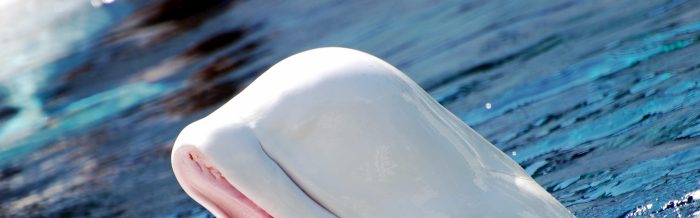
Beluga whale calves are able to swim alongside their mothers from birth but are totally dependent on them for the first year of life.
Tagged Beluga WhaleLeave a comment
Beluga Whale

Beluga Whale

Posted on June 28, 2018March 22, 2019 by Noelle M. Brooks in FaunaFacts

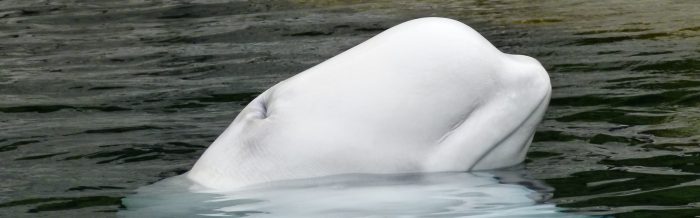
Beluga whales have a loose, fatty region on top of their head, called a melon, that is critical for echolocation.
Tagged Beluga WhaleLeave a comment
Beluga Whale

Beluga Whale

Posted on June 27, 2018March 22, 2019 by Noelle M. Brooks in FaunaFacts

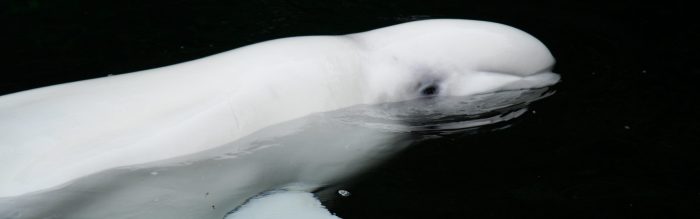
Beluga whales deliver their offspring in river mouths because the waters are warmer for their calves that lack fully developed blubber.
Tagged Beluga WhaleLeave a comment
Beluga Whale

Beluga Whale

Posted on June 26, 2018March 22, 2019 by Noelle M. Brooks in FaunaFacts

Male beluga whales live longer than females at about 40 years compared to 32 years and belugas in captivity live longer than those in the wild.

Tagged Beluga WhaleLeave a comment
Beluga Whale

Beluga Whale

Posted on June 25, 2018March 22, 2019 by Noelle M. Brooks in FaunaFacts

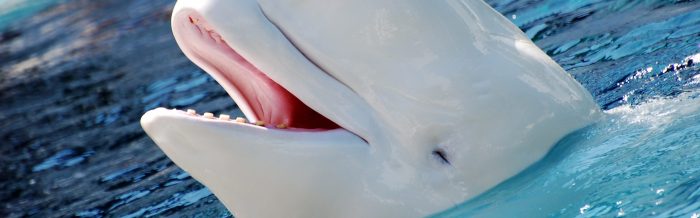
Only 5-10% of a beluga whale's time is spent at the surface of the water and they are rarely seen breaching.
Tagged Beluga WhaleLeave a comment
Beluga Whale

Beluga Whale

Posted on June 24, 2018March 22, 2019 by Noelle M. Brooks in FaunaFacts

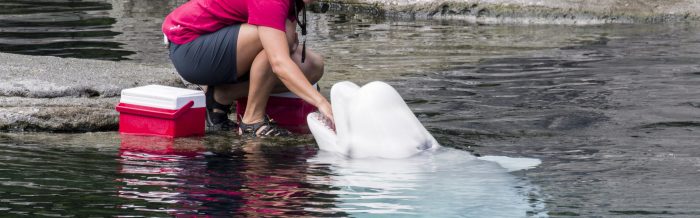
Beluga whales are among the most vocal species of cetaceans and use their vocalizations for echolocation, mating, and communication.
Tagged Beluga WhaleLeave a comment
Beluga Whale

Beluga Whale

Posted on June 23, 2018March 22, 2019 by Noelle M. Brooks in FaunaFacts

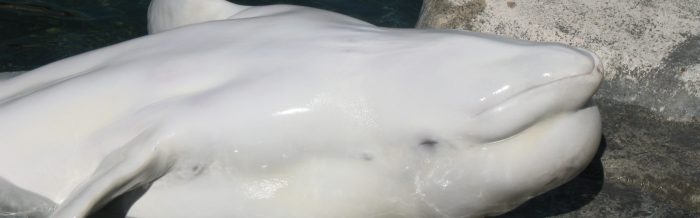
Beluga whales have the most varied diet of any small whale feeding on over 100 species of fish and invertebrates, and their diet changes depending on season, location, and water temperature.
Tagged Beluga WhaleLeave a comment
Beluga Whale

Beluga Whale

Posted on June 22, 2018March 22, 2019 by Noelle M. Brooks in FaunaFacts

Predation from killer whales, polar bears, and humans, as well as ice entrapment, are common causes of premature death of beluga whales.

Tagged Beluga WhaleLeave a comment
Beluga Whale

Beluga Whale

Posted on June 21, 2018March 22, 2019 by Noelle M. Brooks in FaunaFacts

Humans used to hunt beluga whales for skin, food, and oil, but now look to them for ecotourism and entertainment.

Tagged Beluga WhaleLeave a comment
Beluga Whale

Beluga Whale

Posted on June 20, 2018March 22, 2019 by Noelle M. Brooks in FaunaFacts

Beluga whales have a very acute hearing, especially at higher frequencies, and can hear as well at 300m underwater as they can above water.

Tagged Beluga WhaleLeave a comment
Beluga Whale

Beluga Whale

Posted on June 19, 2018March 22, 2019 by Noelle M. Brooks in FaunaFacts

Unlike other cetaceans that continuously replace skin, beluga whales undergo an annual epidermal molt and rub in estuaries to remove old skin and become more hydrodynamic.

Tagged Beluga WhaleLeave a comment
Beluga Whale

Beluga Whale

Posted on June 18, 2018March 22, 2019 by Noelle M. Brooks in FaunaFacts

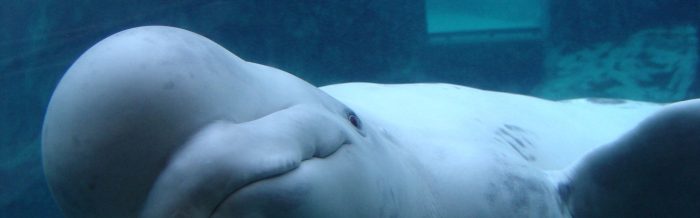
Beluga whales are the only whales capable of shaping their tongue and lips, a skill which they use to capture prey by suction and swallow it whole.
Tagged Beluga WhaleLeave a comment
Beluga Whale

Beluga Whale

Posted on June 17, 2018March 22, 2019 by Noelle M. Brooks in FaunaFacts

The beluga whale has skin 10-100x thicker than other animals, and 50% of its body weight is made up of blubber in order to keep it warm in the freezing waters of the Arctic.

Tagged Beluga WhaleLeave a comment
Beluga Whale

Beluga Whale

Posted on June 16, 2018March 22, 2019 by Noelle M. Brooks in FaunaFacts

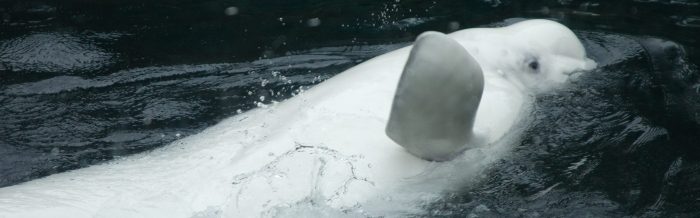
Beluga whales have good vision, both, above and below the water, but most likely do not see much color, if any at all.
Tagged Beluga WhaleLeave a comment
Beluga Whale

Beluga Whale

Posted on June 15, 2018March 22, 2019 by Noelle M. Brooks in FaunaFacts

Beluga whales mate from February-April and swim in harmony during courtship with the female swimming underneath the male, belly to belly.

Tagged Beluga WhaleLeave a comment
Beluga Whale

Beluga Whale

Posted on June 14, 2018March 22, 2019 by Noelle M. Brooks in FaunaFacts

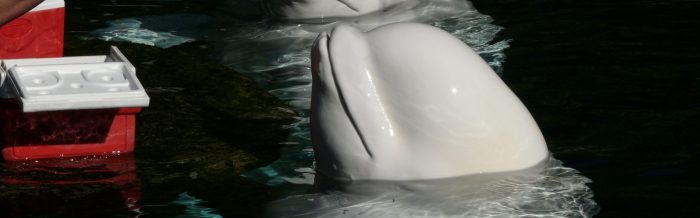
Beluga whales have unihemispheric brain waves when they sleep, meaning that one hemisphere of the cerebrum is always active allowing for surfacing to breath.
Tagged Beluga WhaleLeave a comment
Beluga Whale

Beluga Whale

Posted on June 13, 2018March 22, 2019 by Noelle M. Brooks in FaunaFacts

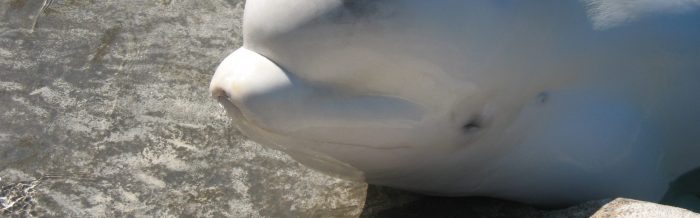
Beluga whales are sexually dimorphic, with the males being slightly larger than the females.
Tagged Beluga WhaleLeave a comment
Beluga Whale

Beluga Whale

Posted on June 12, 2018March 22, 2019 by Noelle M. Brooks in FaunaFacts

The beluga whale is listed as "Least Concern" on the IUCN Red List, and current populations are estimated at 60,000-100,000.

Tagged Beluga WhaleLeave a comment

Posts navigation

Older posts
Newer posts
  • Twitter
  • Instagram
  • DeviantArt
  • Discord
  • Twitch
  • YouTube
  • Patreon
  • RedBubble
FaunaFocus

Join a creative community focusing on a unique animal each month. Create art and share it with #FaunaFocus.

This work is licensed under a Creative Commons Attribution 4.0 International License.
Creative Commons License

  • Free-For-All: Deadline March 27, 2026 at 12:00 pm – 12:00 pm faunafocus.com/ffa
  • Free-For-All: Livestream March 28, 2026 at 7:00 pm – 8:30 pm twitch.tv/team/faunafocus
  • Free-For-All: Results March 31, 2026 faunafocus.com
Create a website or blog at WordPress.com
  • Subscribe Subscribed
    • FaunaFocus
    • Join 118 other subscribers
    • Already have a WordPress.com account? Log in now.
    • FaunaFocus
    • Subscribe Subscribed
    • Sign up
    • Log in
    • Report this content
    • View site in Reader
    • Manage subscriptions
    • Collapse this bar
 

Loading Comments...