Because the sense of smell is not highly developed in the great horned owl, they kill and eat many skunks.
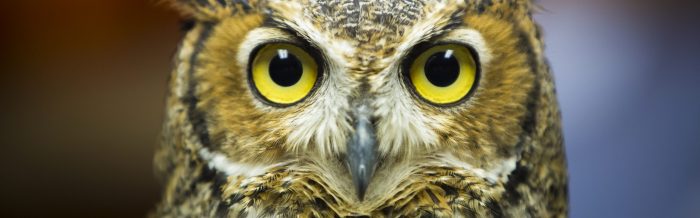
Join a creative community focusing on a unique animal each month.
Because the sense of smell is not highly developed in the great horned owl, they kill and eat many skunks.
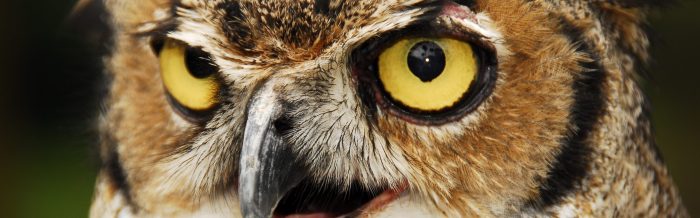
At times the male great horned owl appears to hoot for the mere pleasure of hearing his own voice.
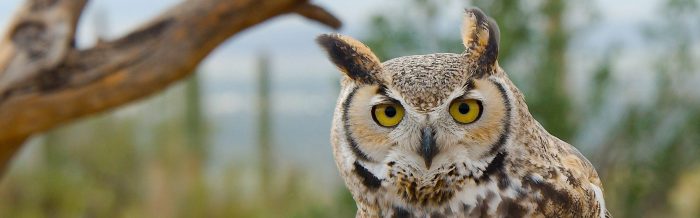
The function of the great horned owls feathered ear tufts is unknown.
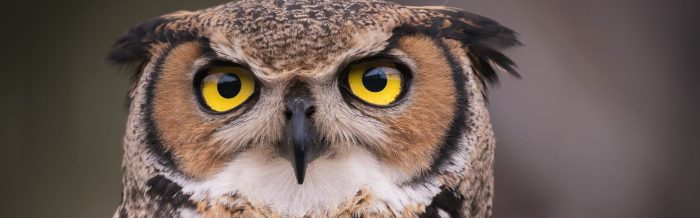
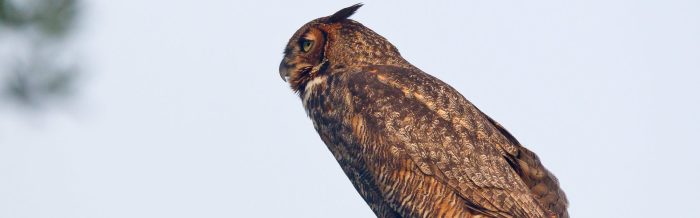
Female great horned owls are larger than males and weight about 50% more.

Great horned owl calls are divided into three main categories: hoots, chitters, and squawks.
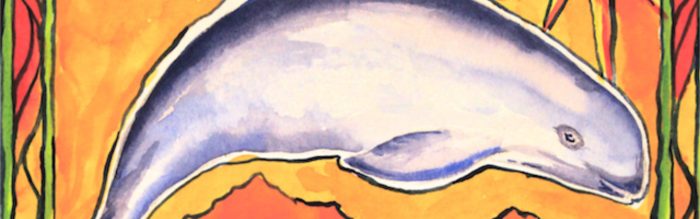
The vaquita can be saved from extinction.

Vaquita conservation management and action has been largely ineffective at controlling vaquita mortality in gillnets.
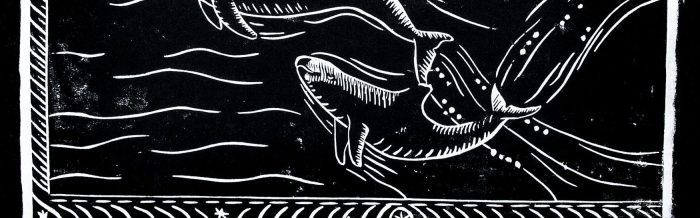
At the current rate of decline, the vaquita could be extinct by 2018.

Vaquitas have probably always been rare.
Highly-trained US Navy bomb-locating bottlenose dolphins are being used to locate vaquitas.

The oldest vaquita was estimated to be 21 years of age.

As well as gillnet entanglement, the vaquita is vulnerable to several other potential threats.
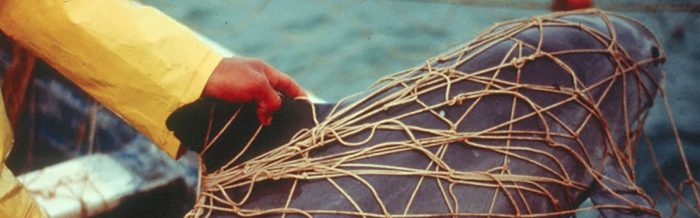
Mortality in gillnets has long been recognized as the most serious and immediate threat to the vaquita's survival.

The vaquita and the totoaba, a large long-lived fish species in the croaker family, have much in common.

The demand for dried totoaba swim bladders is threatening not just the totoaba but also the vaquita.

There are less than 30 vaquita individuals left in the wild.

The vaquita's population is declining rapidly, with a decline of nearly 50% since 2015.
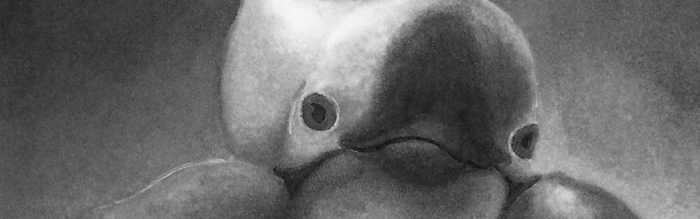
Most biological and ecological information of the vaquita is unkown.

The mating system and social structure of the vaquita have not been studied.
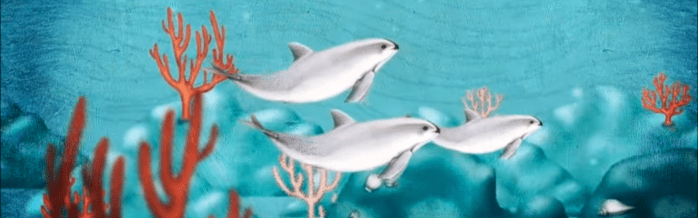
The vaquita is the only cetacean endemic to Mexico.
Vaquitas are generalist feeders, consuming a wide variety of over 21 benthic and demersal (bottom-dwelling) teleost fish, squids, and crustaceans.

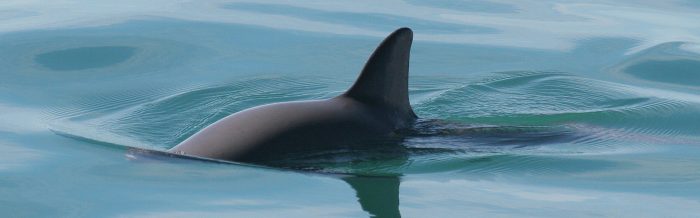
Vaquita are typically inconspicuous at the surface as they avoid boats and rarely splash, jump, or leap.
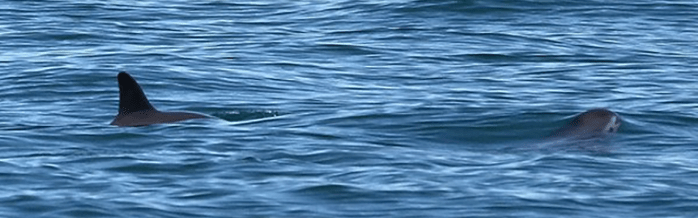
Unlike most other porpoise species which breed every year, vaquitas give birth every 2 years.

Potential predators of vaquitas are large sharks, killer whales, and man.
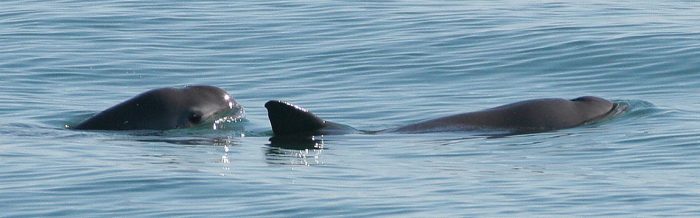
There is reverse sexual dimorphism in the vaquita, as females are larger than males.

Vaquitas usually occur in small groups of 1-3 individuals; often just a mother and calf pair.

The life span of the vaquita is expected to be similar to that of the harbor porpoise, approximately 20 years.

The vaquita was not scientifically described until 1958, with full descriptions of external morphology not available until 1987.

The vaquita is the most endangered marine cetacean in the world.

The vaquita has the smallest geographical range of any marine mammal.

The vaquita is the smallest porpoise species.
The vaquita is a marine species that lives in a relatively shallow, turbid, and dynamic environment, typically less than 40 meters deep.