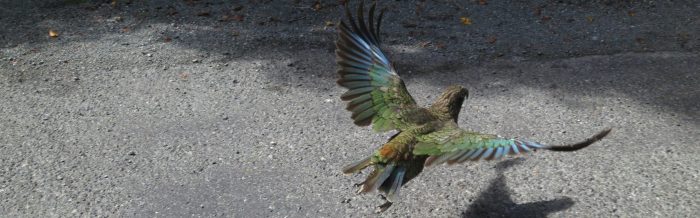
The kea was described by ornithologist, John Gould, in 1856 and is named after its loud, in-flight "keee-aa" call.
Join a creative community focusing on a unique animal each month.
The kea was described by ornithologist, John Gould, in 1856 and is named after its loud, in-flight "keee-aa" call.
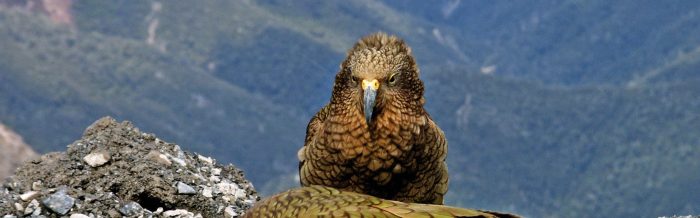
Kea are endemic to the mountains of South Island, New Zealand and range from Kahurangi to Fiordland, including the Kaikoura Ranges.
Kea are highly social birds that live in family groups of 30-40 and exhibit a variety of social behaviors, such as intricate play.
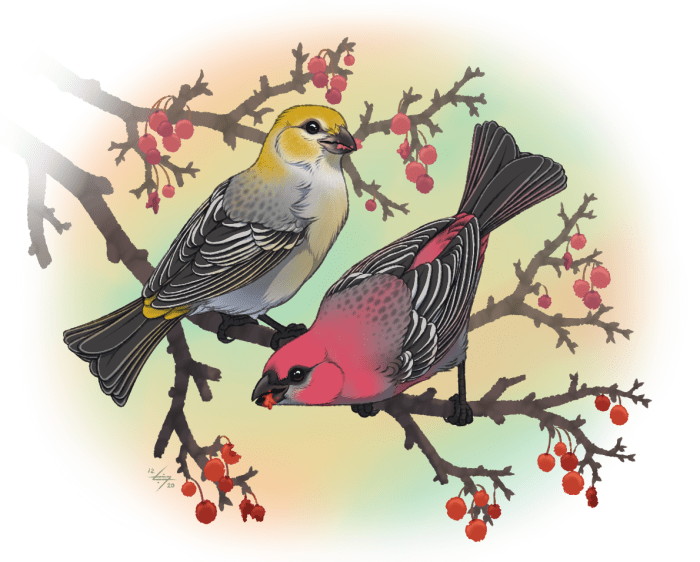
Happy new year, everyone! Most of us are probably excited that 2020 has ended and 2021 has begun! FaunaFocus' 4th annual Holiday Art Trade has been another success! This year, 20 different artists participated, helping to spread cheer throughout the season. Each artist created artwork that featured an animal species requested by another participant, secret … Continue reading Holiday Art Trade: 2020
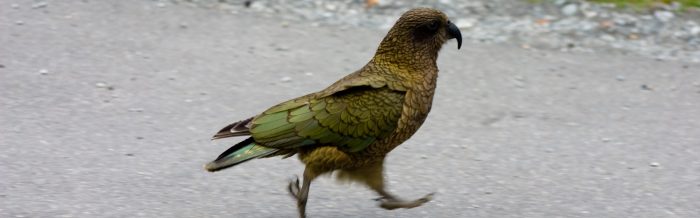
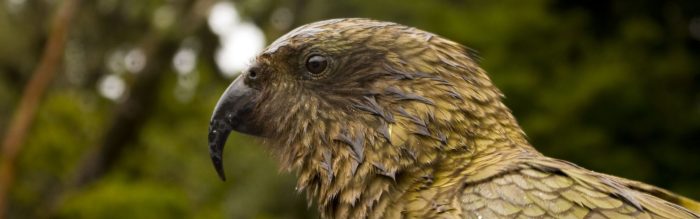
Kea are crow-sized parrots, about 48 cm. long, that display sexual dimorphism as males weigh 20% more and are 5% longer than females and have 12-14% longer bills.

Do you think you know the kea? Test your knowledge of kea FaunaFacts with this trivia quiz!
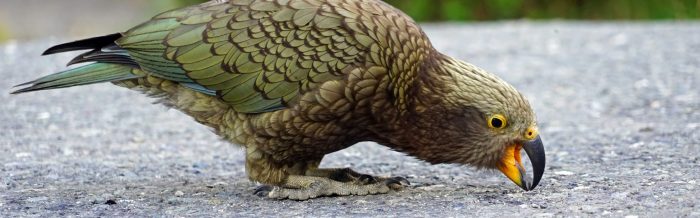
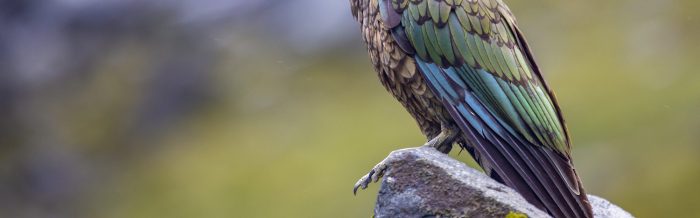
Kea are currently "Endangered" and declining rapidly due to predation by introduced mammals and a variety of anthropogenic threats.
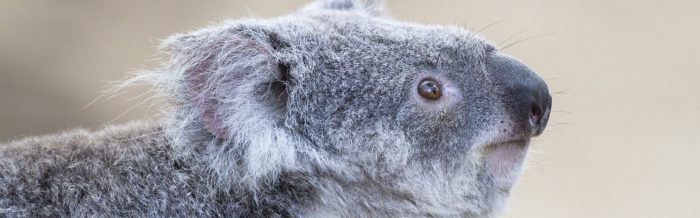
Koalas were nearly exterminated in the early 20th century because they were extensively hunted for their warm, thick fur and their environments were destroyed by fires caused by humans.
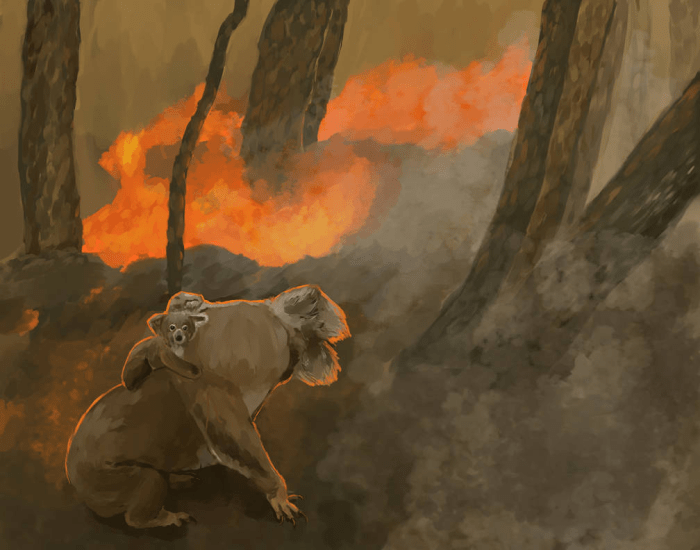
Sarah used digital media to depict an emotional scene of a mother koala and her baby. This beautifully haunting piece used muted colors to depict the suffocating smoke of the Australian bushfires and a pop of bright orange tones to enhance the vibrant light of the blaze. With a baby koala peering into the viewer’s eyes, the spectator feels challenged to act in order to help the koalas in their plight.

At high population densities, koalas can defoliate preferred tree species, causing tree death and subsequent koala population crash and making the species difficult to manage.
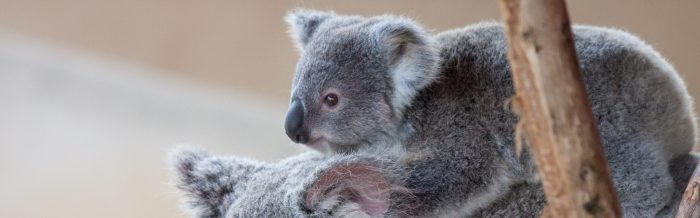
Climate change is expected to lead to an increased rate of koala population reduction over the next 20-30 years, and the impacts of other threats will magnify over this period.
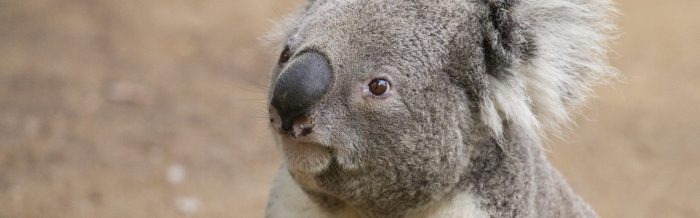
The koala's population size has declined about 30% over the last 18-24 years due to climate change and a severe decline in inland regions most exposed to recent drought.
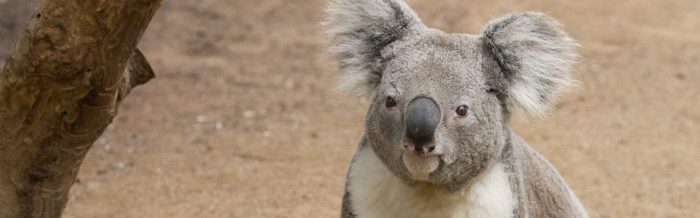
Koalas are currently threatened by habitat fragmentation and modification, bushfires, and disease, but their main threat is habitat destruction.
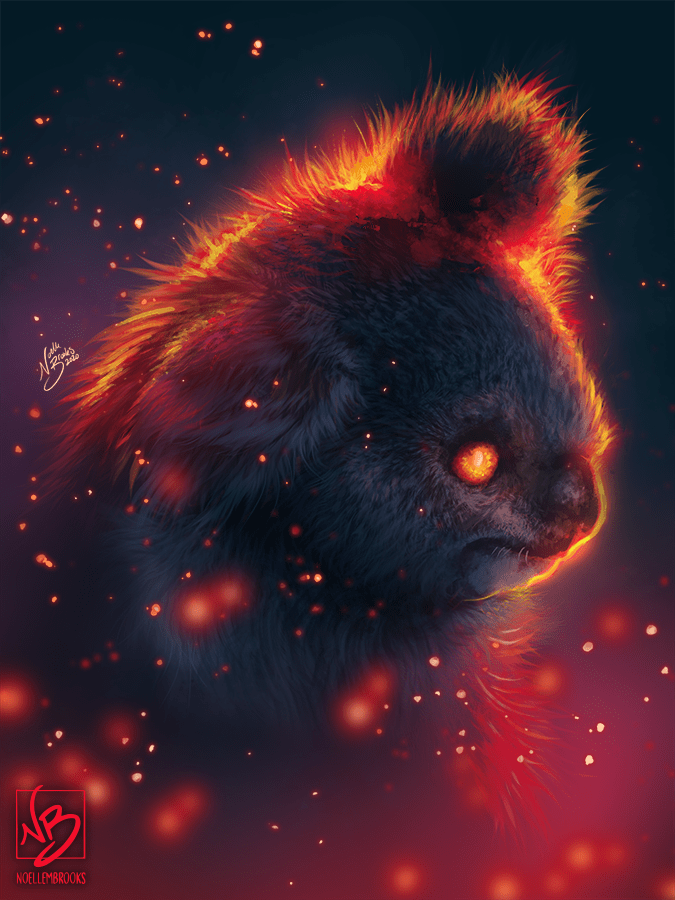
FaunaFocus raised $1,827.68 for the World Wildlife Fund-Australia (WWF)'s Keep Koala's Climbing Wild-Livestream event benefitting the vulnerable koala.
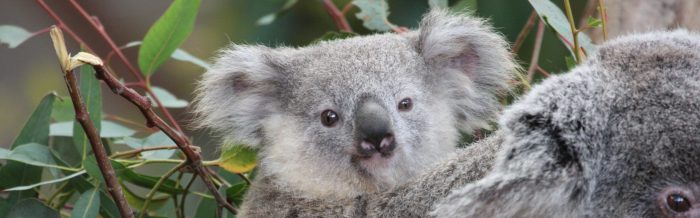
The koala is evaluated as "Vulnerable" on the IUCN Red List due to its projected rate of decline as a result of climate change, habitat destruction, and disease.
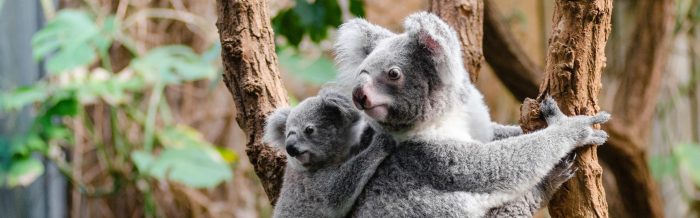
Young koalas weigh less than 0.5 g. when born and live in the mother's pouch for 5-7 months feeding on milk and predigested leaves.
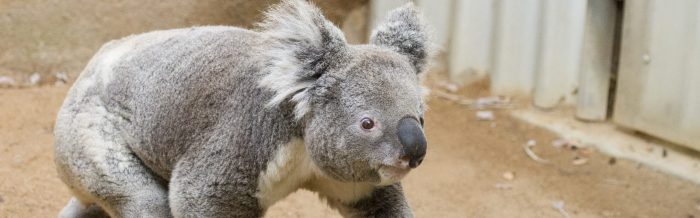
Although there is no national recovery plan for the koala, there's numerous captive breeding facilities internationally.
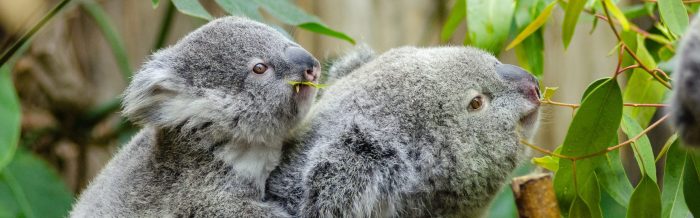
Female koalas are seasonally polyestrous and usually breed once a year giving birth to 1-2 young in mid-summer after a gestation of 25-35 days.
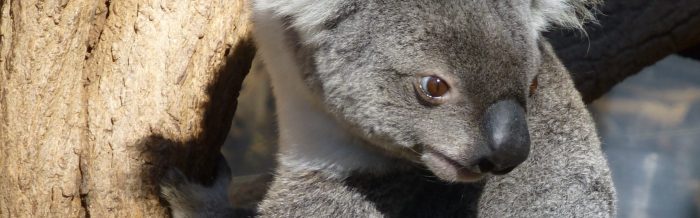
During the breeding season, male koalas use loud, bellowing calls and resonant, growling expirations to advertise their presence and warn off males.
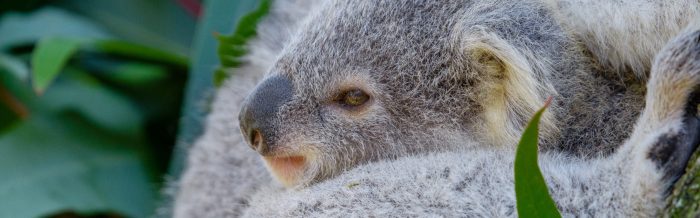
Koalas are polygynous and breed seasonally, but males don't usually mate until they reach 4 years old because competition for females requires a larger size.
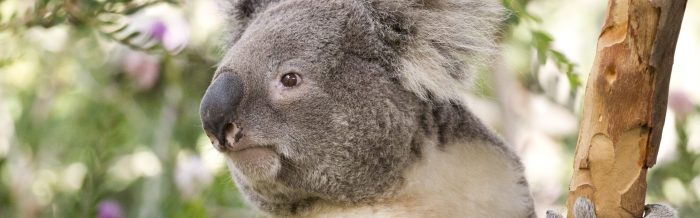
Koalas copulate in trees for less than two minutes at a time with the male grasping the back of the female's neck with his teeth.
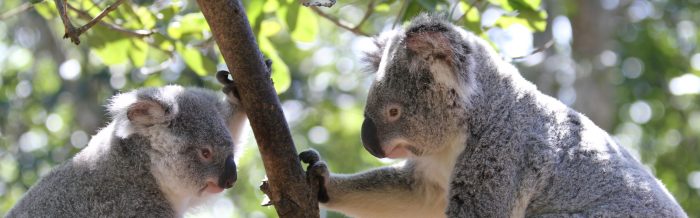
Koalas are sexually dimorphic as males are larger and 50% heavier than females and have broader faces, smaller ears, and a large chest gland rather than a pouch.
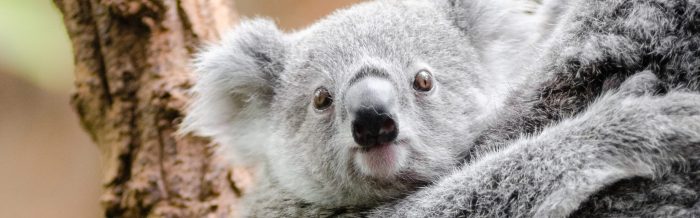
Because the koala has no sweat glands, it cools itself by licking its arms and stretching out as it rests in the trees.
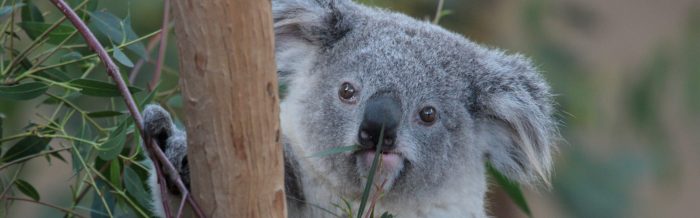
The koala has adapted to its high-fiber, low-protein diet with reduced cheek teeth, highly cusped molars, cheek pouches, and a caecum that's 4 times its body size and can eat 500 grams daily.

Koalas are mainly nocturnal and feed at night with adult males very active at night, moving constantly through their range, both ejecting male rivals and mating with any receptive females.
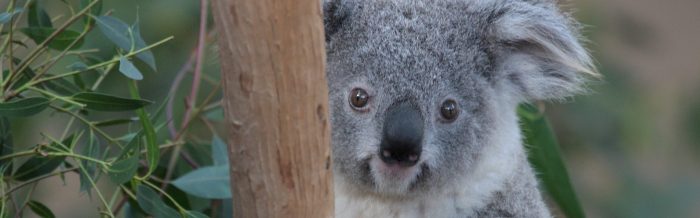
Individual adult koalas occupy fixed home ranges that have extensive overlap with males occupying larger ranges that overlap those of females, sub-adults, and non-breeding males.
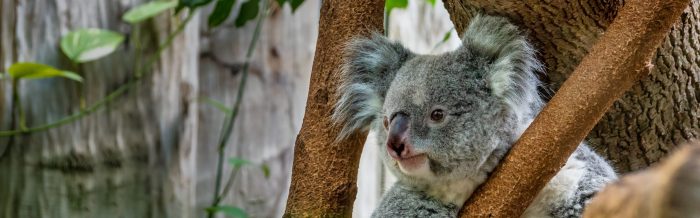
Koalas inhabit temperate and subtropical/tropical dry forests and dry savanna habitats typically dominated by eucalyptus species.
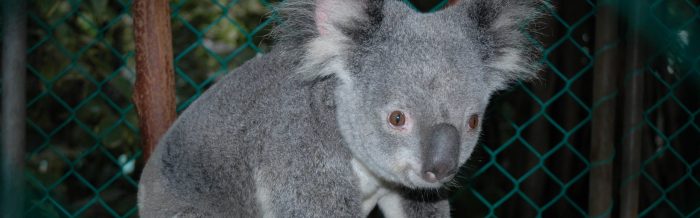
Koalas may live past 10 years in the wild, and there have been reports of lifespans over 20 years in captivity.
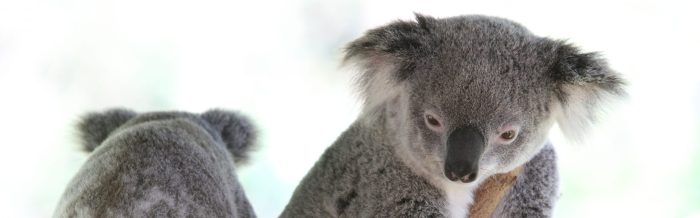
Koalas from the southern end of the range are generally larger in size than their northern counterparts and have coats that are generally longer and darker.
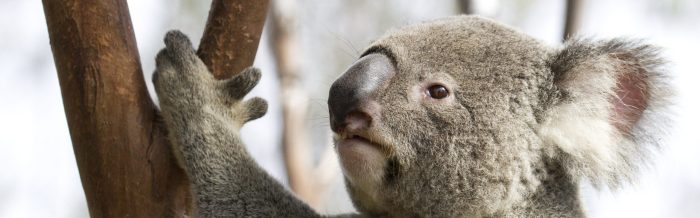
The koala's paws are large, and both fore and hind feet have five strongly clawed digits that enable the koala to grip branches as it climbs.

Koalas are primarily solitary animals and live in loose-knit groups with only one individual per tree.

Because koalas don't drink often due to the high water content of eucalyptus, their common name derives from the Dharug "gula", meaning "no water".