The butterfly viper's scales are so rough and heavily keeled that they can inflict cuts when being handled.

Join a creative community focusing on a unique animal each month.
FaunaFocus releases a new FaunaFact every single day! These bite-sized bits of information are interesting facts paired with a unique image of that animal.
The butterfly viper's scales are so rough and heavily keeled that they can inflict cuts when being handled.
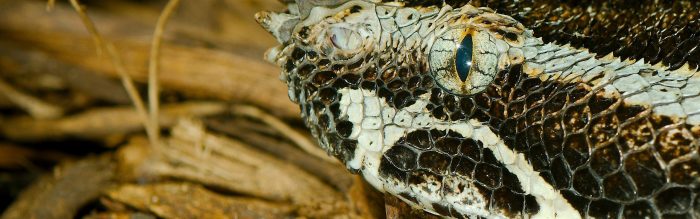
The butterfly viper has hollow fangs that deliver venom deep into the snake's victims but are folded into the roof of the mouth when not in use and shed every 6-10 weeks.

Primarily nocturnal, the butterfly viper hides during the day in leaf litter and holes or around fallen trees and tangled roots of forest trees.

The butterfly viper is viviparous, giving live birth to 6-38 offspring at the start of the rainy season in March and April.

When approached, butterfly vipers often reveal their presence by hissing, said to be the loudest hiss of any African snake—almost a shriek.

Although terrestrial, the butterfly viper uses its partially prehensile tail to climb into trees and thickets in search of food and has been found up to 3 m. above ground.

Relatively little is known about the toxicity and composition of the butterfly viper's single hemotoxic and neurotoxic venom, but it's supposedly less toxic than that of a Gaboon viper.

The butterfly viper is known as the "rhinoceros viper" but that name can cause confusion with its close relative, also known as the "rhinoceros viper", (Bitis rhinoceros).

As an ambush predator, the butterfly viper is a non-aggressive, slow-moving, placid animal and will not bite unless provoked or hungry.

The butterfly viper can strike with lightning speed, up to half its body length, in any direction.

No subspecies of the butterfly viper are currently recognized.
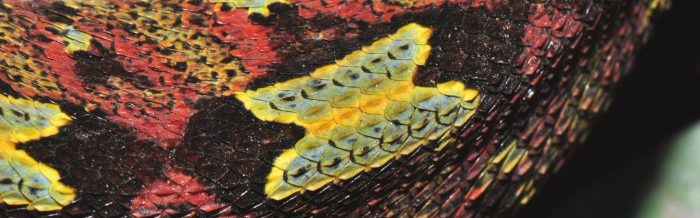
The beautiful color patterns of the butterfly viper varies among individuals as Western specimens are more blue, while those from the East are more green.
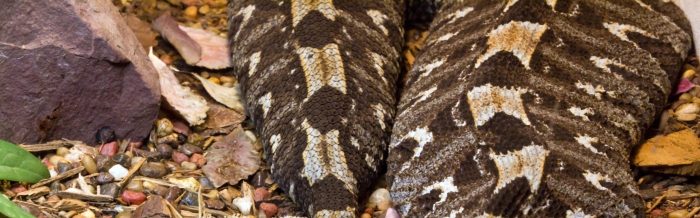
The butterfly viper is 1 of 15 puff adder species, named for their characteristic threat display in which they puff up and enlarge their bodies to twice their normal size.

The butterfly viper is carnivorous and feeds on smaller prey than the Gaboon viper, such as toads, frogs, fish, and mice.
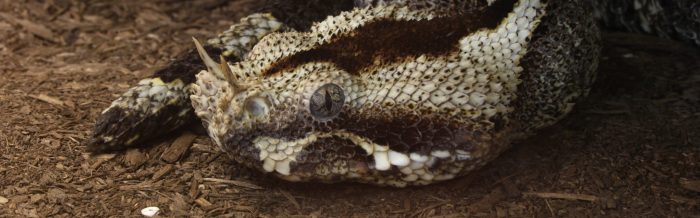
The butterfly viper is one of the most dangerous and venomous snakes as just small doses of its venom can be deadly, destroying tissue and blood vessels and causing internal bleeding and massive hemorrhaging.

One of the butterfly viper's most distinguishing characteristics is its small, flattened, narrow, triangular-shaped head with a dark triangular-shaped marking on the back.

The butterfly viper inhabits forested areas and tropical forests and rarely ventures into woodlands.

The butterfly viper is endemic to central and western Africa and has a more restricted range than the Gaboon viper.

Butterfly vipers are large, stout, heavy-bodied snakes that average 60-90 cm. in length, but can reach up to 2.1 m.

The butterfly viper has not been evaluated by the IUCN Red List of Threatened Species and is thus classified as "Not Evaluated."
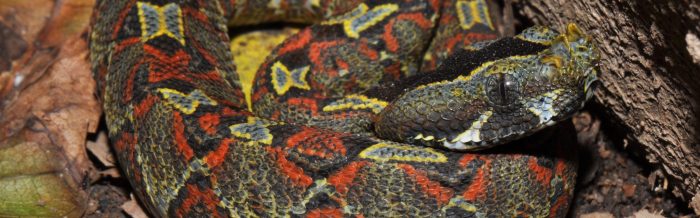
The butterfly viper is an ambush predator, relying on cryptic coloration as camouflage to hide from its prey.

The butterfly viper is also known as the "rhinoceros viper" because of the 2-3 horn-like projections it has above each nostril.
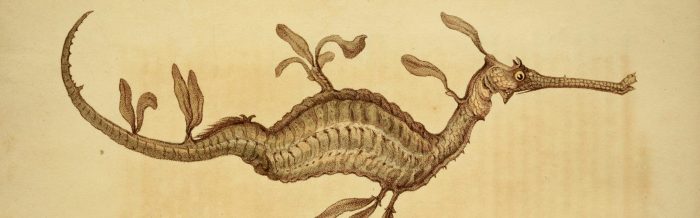
Because of its similar appearance, the weedy seadragon is often mistaken for its close relative, the leafy seadragon, but the leafy seadragon is more rare and has more leaf-like appendages.
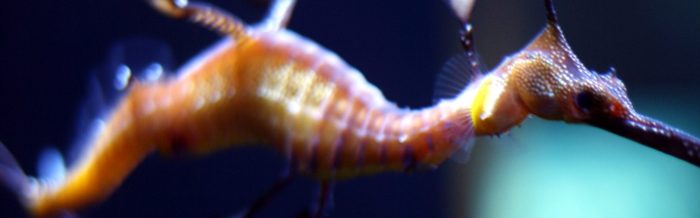
Weedy seadragons have become a "flagship" species of the southern Australian coast and are documented in Dragon Search, a database of seadragon sightings that monitors local water quality.
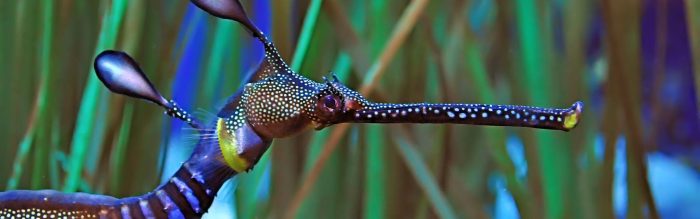
Over the last 20 years, losses of giant kelp has increased water temperatures and reduced macroalgae, potentially adversely affecting weedy seadragons.
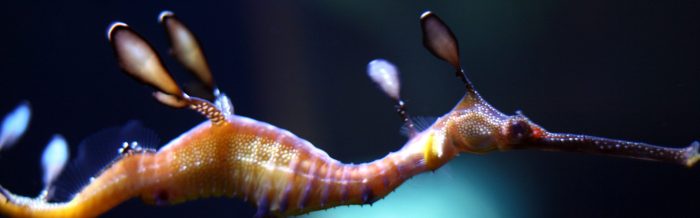
The weedy seadragon was selected as the Australian State of Victoria's marine faunal emblem in 2002.
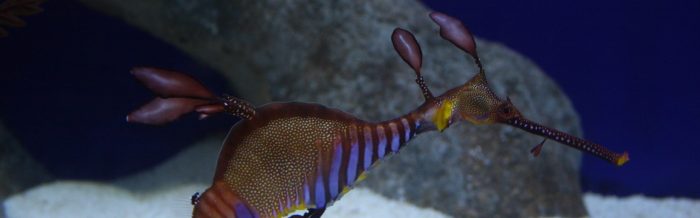
The weedy seadragon is exploited for the aquarium trade at low levels that are not likely of conservation concern.
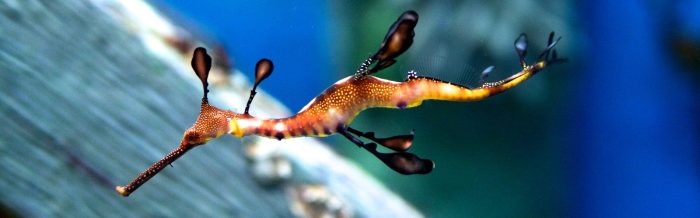
Young weedy seadragons are born independent and receive no parental care after they are hatched and released into the external environment.
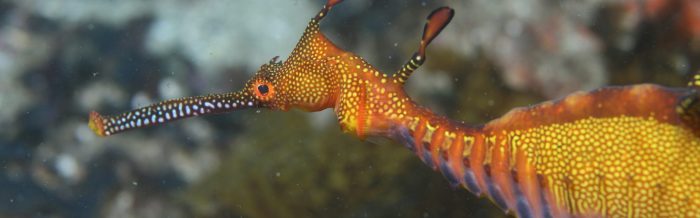
The weedy seadragon is primarily threatened by habitat degradation and loss due to pollution and sedimentation, especially in urban areas.
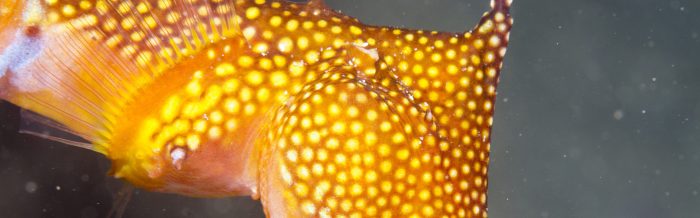
Like all syngnathids, the weedy seadragon is protected by the Australian Environment Protection and Biodiversity Conservation Act of 1999 and occur in several protected areas, but there are no specific conservation measures in place for the species.
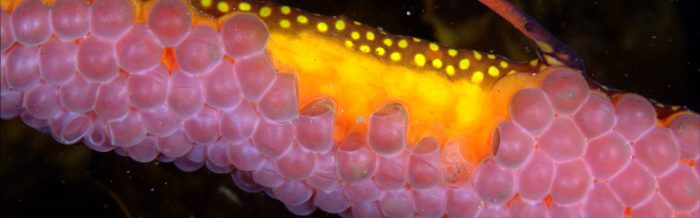
Although weedy seadragons lay 120-250 eggs, only 60-120 offspring will survive, while the others will fall prey to sea anemones.
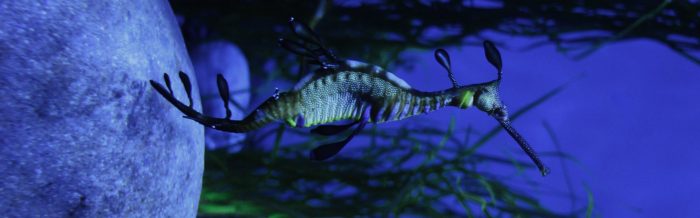
There have been no range-wide population estimates made for the weedy seadragon and further research and monitoring are needed to determine population size and trends.
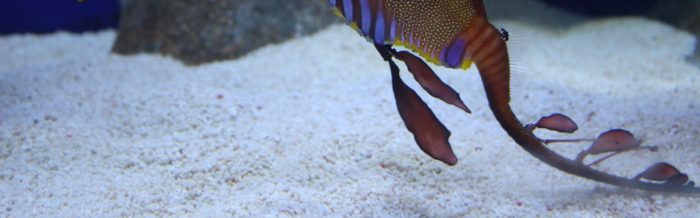
Although the weedy seadragon's reproduction is well documented, it's not understood what triggers the species to reproduce and mating in captivity is rare.