Bearded vultures lay 1-3 eggs but tend to favor the oldest chick, even allowing it to cannibalize the other chicks.
Join a creative community focusing on a unique animal each month.
FaunaFocus releases a new FaunaFact every single day! These bite-sized bits of information are interesting facts paired with a unique image of that animal.
Bearded vultures lay 1-3 eggs but tend to favor the oldest chick, even allowing it to cannibalize the other chicks.
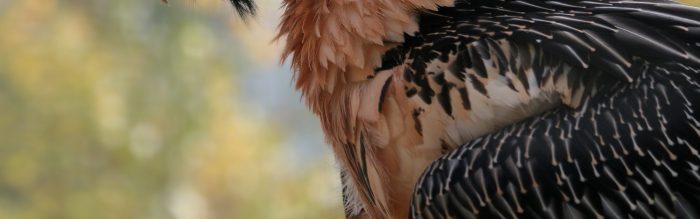
Bearded vultures have a high stomach acid content that allows them to digest bones up to 10cm and 4kg, within a 24-hour period.
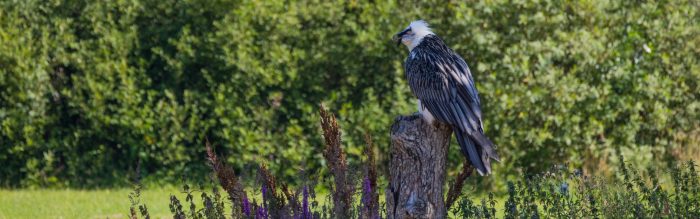
A male bearded vultures will defend the nest to allow the female to conserve energy and assess his breeding potential.
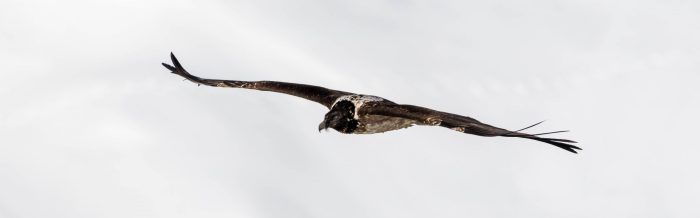
The bearded vulture's breeding success is influenced by human activity and kleptoparasitism by common ravens, golden eagles, griffon vultures, and even other bearded vultures.
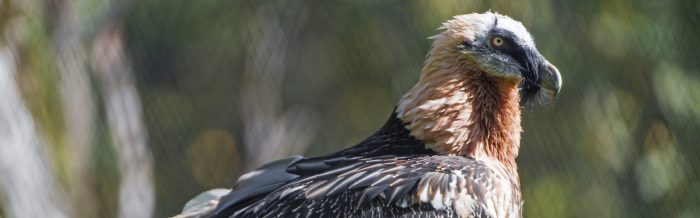
Although bearded vultures are "Near Threatened" on the IUCN Red List, they are endangered in Europe, with less than 150 territories remaining.
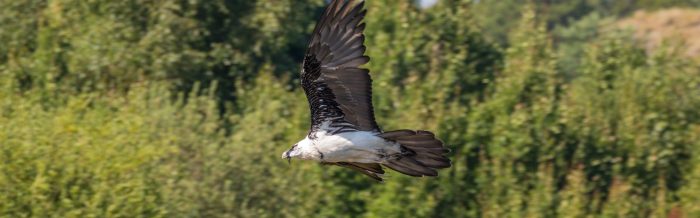
Male bearded vultures tend to mate in the evening after foraging, a form of sperm competition as males fight to be the last to breed with a female.
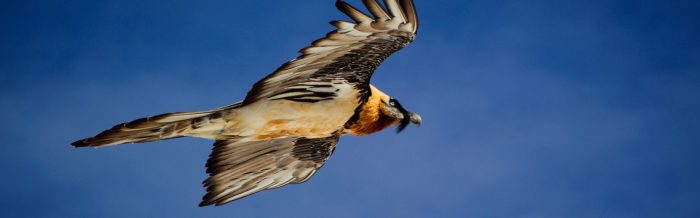
Bearded vultures are strictly carnivorous but have a unique diet consisting mainly of bones and carrion, with bones making up 85%.
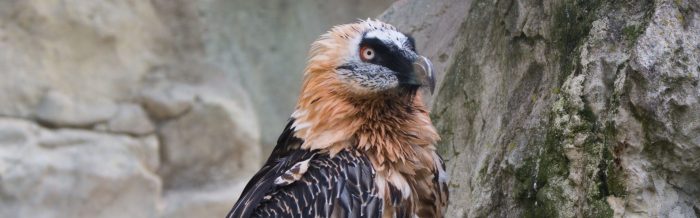
As carrion scavengers, bearded vultures contribute to rotting carcass removal and help control disease within ecosystems.
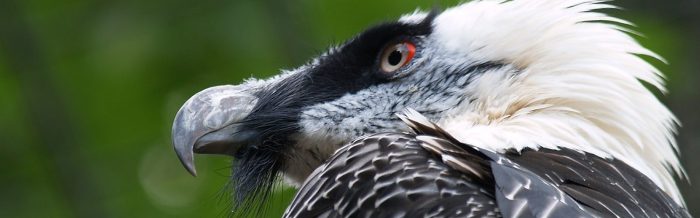
Bearded vultures prefer fatty bones for their oleic acid, associated with increased energy and foraging time optimization.
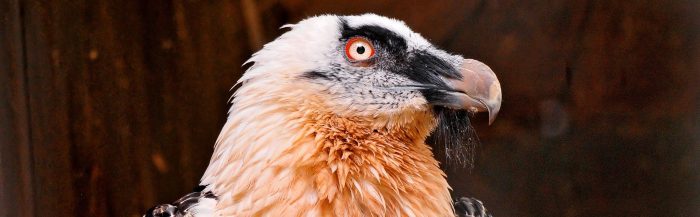
Bearded vultures have declined 25-29% over the past 3 generations, except in northern Spain, due to poisoning, habitat degradation, and disturbance of breeding sites.

The bearded vulture is known as "Lammergeier," German for "lamb-vulture," as they were mistakenly assumed to kill livestock. Today, they continue to face persecution for this myth.
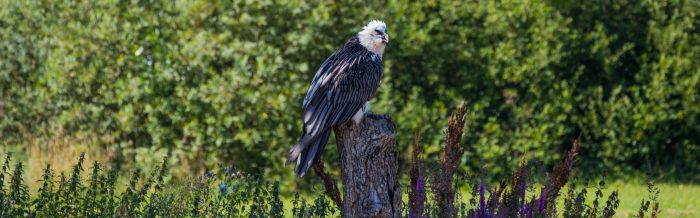
Bearded vultures perch on rocks, rather than tree branches, with a characteristic hunched shoulder position.
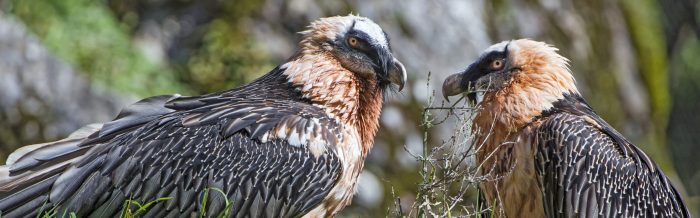
There are up to 13 subspecies of bearded vultures, though most lack sufficient grounds to be considered.
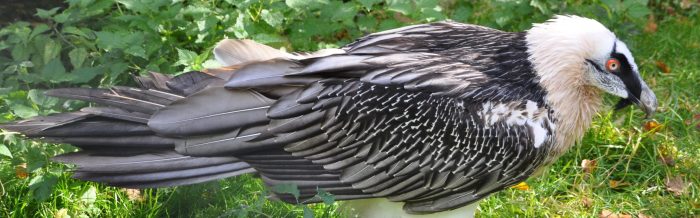
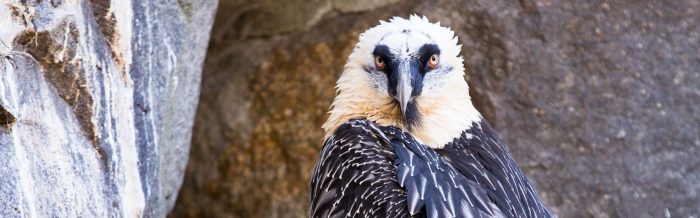
The bearded vulture is an extremely large vulture with a long, slender body and tail and large, impressive wings.
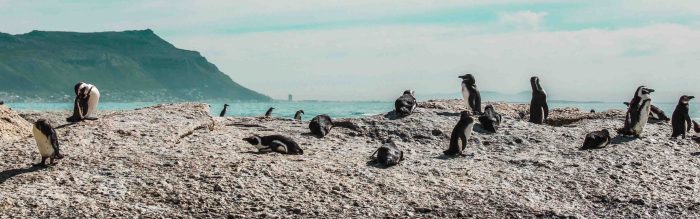
Now forbidden, African penguin guano was once excavated and processed into fertilizer and their skins were manufactured into gloves.
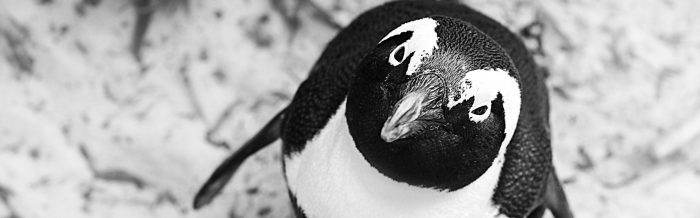
African penguins are popular in ecotourism as they allow humans to approach closely and watch as they interact with their environment.

The primary ecotourism viewing site of African penguins is the colony at False Bay in Simons Town, South Africa with over 2,000 penguins.
Because food availability affects African penguin breeding and survival rates, food shortages in South Africa and Namibia can't maintain population equilibrium.
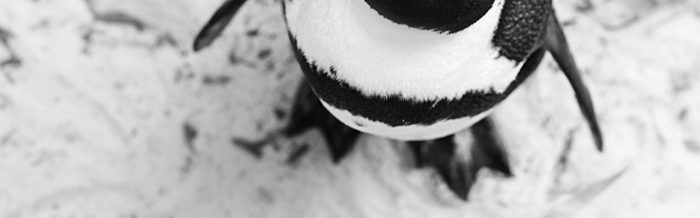
Both African penguin parents take part in incubating the egg for 40 days using a "brood patch," a patch of a bare skin at the base of the belly, to provide direct heat.
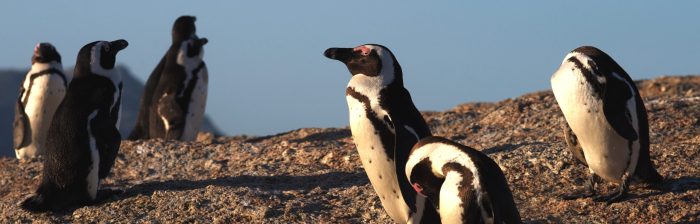
African penguins closely resemble the Galapagos penguins of the Pacific Ocean and Humboldt penguins and Magellanic penguins of South America.
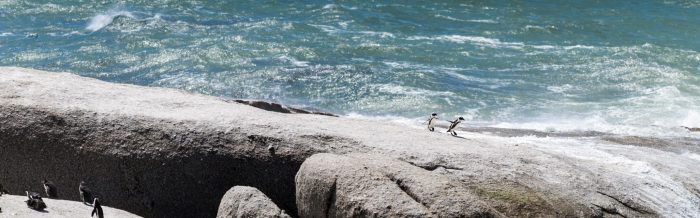
African penguins are monogamous as pairs return to the same breeding sites year after year.
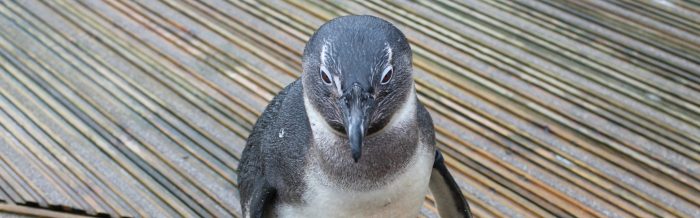
Juvenile African penguins initially have dark slate gray-blue feathers that darken with age in about 3 years.
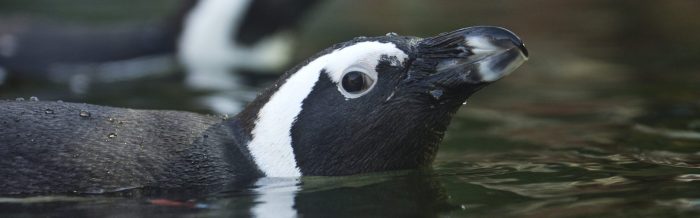
African penguins can swim up to 20 km/h and can travel up to 110 km during each hunting trip, depending on where they forage.
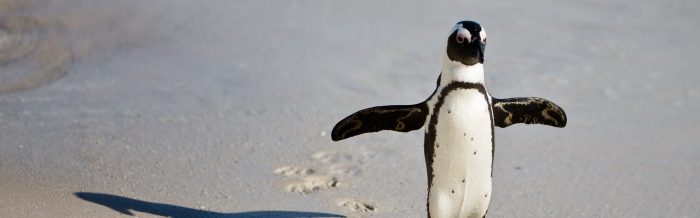
African penguins are also called jackass penguins because they emit loud donkey-like brays, yells, and haws to communicate.
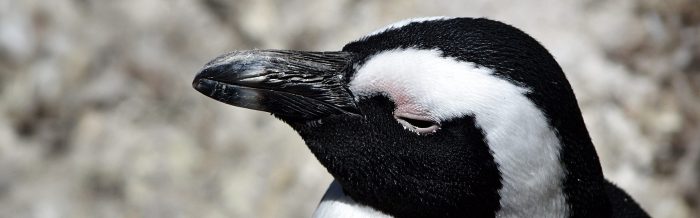
Cape fur seals, sharks, kelp gulls, sacred ibises, mongooses, genets, leopards, and even feral cats and dogs prey on African penguins and their eggs.

The African penguin is endangered and is undergoing a population decline, as a result of commercial fisheries, oil pollution, and shifts in prey populations.
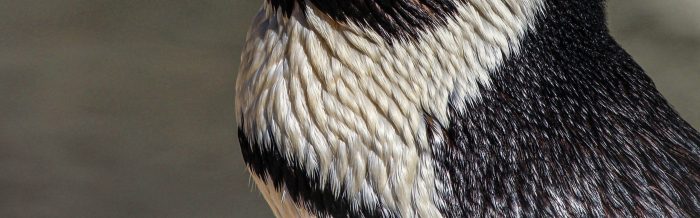
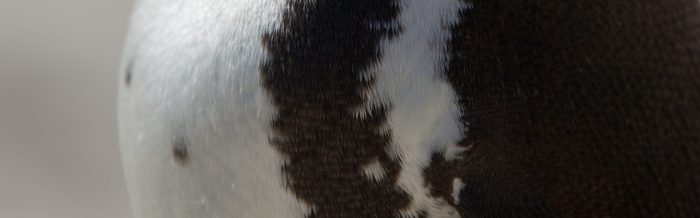
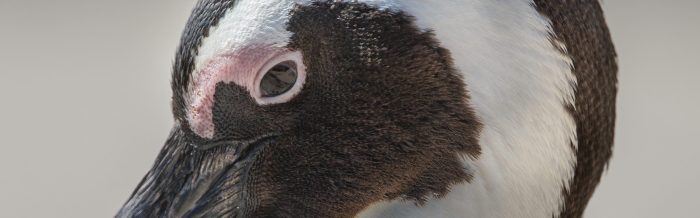
The black and white markings of the African penguin help to camouflage it from both, aquatic and aerial, predators.
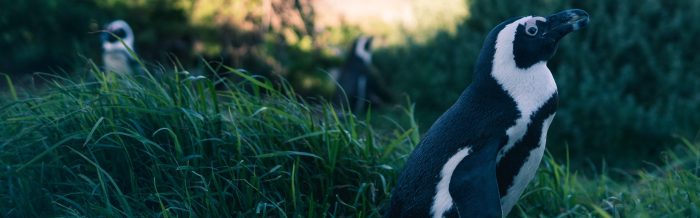
African penguins are the most common penguin found in zoos due to their size and temperature requirements.
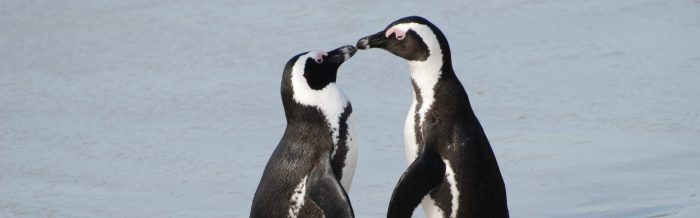
Male African penguins are distinguishable from females due to their colors and deeper, more robust bills.

African penguins have a longevity of 10-27 years and live longer in captivity than in the wild.
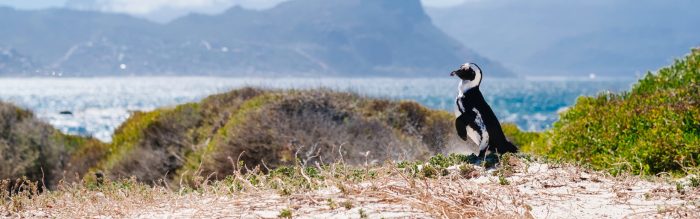
African penguin populations have decreased 50% since 1978, due to nesting and guano collection disturbance, habitat alteration, oil pollution, and competition with fisheries for food.
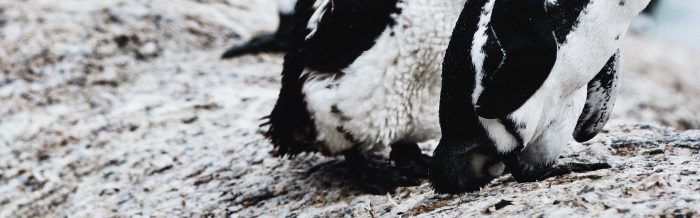
African penguins can no longer nest in guano due to overharvesting by humans and have begun nesting in open areas and artificial nest-burrows.
African penguins feed on up to 18 species of crustaceans, primarily on small shoaling pelagic fish.