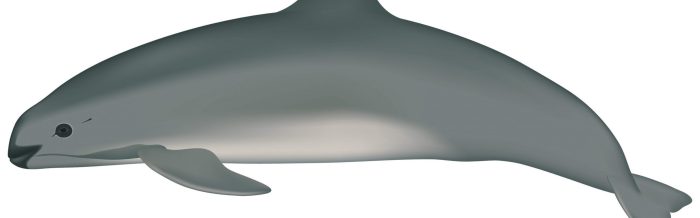
There is reverse sexual dimorphism in the vaquita, as females are larger than males.
Join a creative community focusing on a unique animal each month.
FaunaFocus releases a new FaunaFact every single day! These bite-sized bits of information are interesting facts paired with a unique image of that animal.
There is reverse sexual dimorphism in the vaquita, as females are larger than males.

Vaquitas usually occur in small groups of 1-3 individuals; often just a mother and calf pair.

The life span of the vaquita is expected to be similar to that of the harbor porpoise, approximately 20 years.

The vaquita was not scientifically described until 1958, with full descriptions of external morphology not available until 1987.

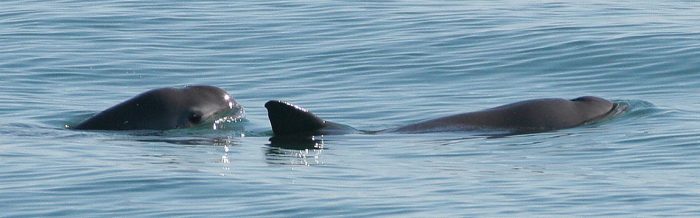
The vaquita is the most endangered marine cetacean in the world.

The vaquita has the smallest geographical range of any marine mammal.

The vaquita is the smallest porpoise species.
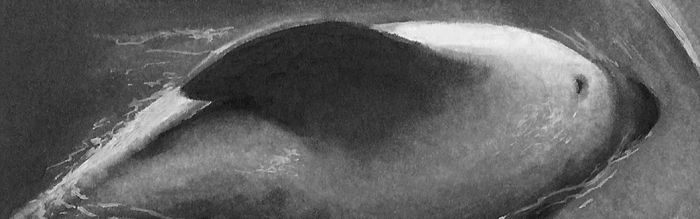
The vaquita is a marine species that lives in a relatively shallow, turbid, and dynamic environment, typically less than 40 meters deep.

The vaquita's name "sinus" is Latin, meaning "bay," referring to the occurrence of the species in the Gulf of California.

Fishermen in the upper Gulf of California were familiar with the vaquita long before scientists were aware of its existence.
The vaquita first became known to the scientific community after the discovery of a bleached skull in 1950.
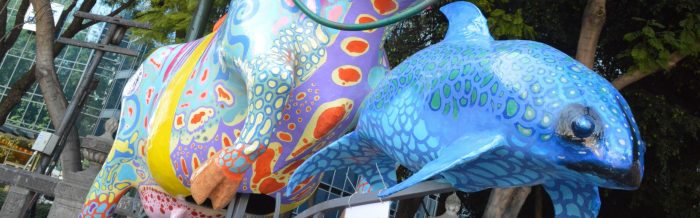
The most commonly used name for Phocoena sinus is "vaquita" which translates to "little cow" in Spanish.

The vaquita is known by several different names.

The vaquita is believed to represent a relict population of an ancestral species.
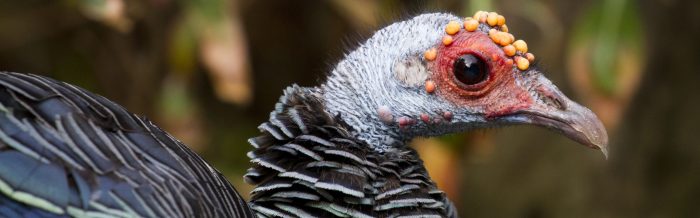
Ocellated turkeys lack the chest tuft and wattles of the North American species and their heads are blue instead of red.

The ocellated turkey is omnivorous and feeds on grass, seeds, leaves, fruits, succulent vegetables, insects, and corn.

There was speculation that chicken-born diseases were introduced into the ocellated turkey population by domestic poultry.
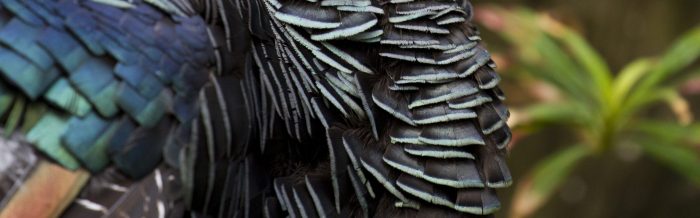
Ocellated turkeys are excellent eating and are heavily hunted for food, trade, and occasionally sport, even within reserves.

The ocellated turkey is Near Threatened as it has a small declining population due to hunting pressure and habitat loss.
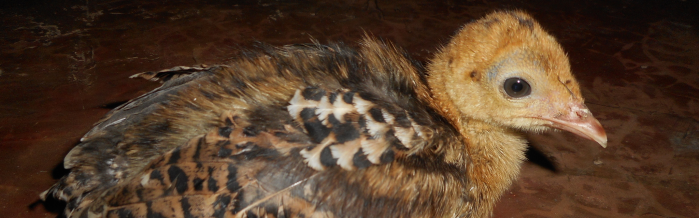
Ocellated turkey chicks are bright yellow underneath and have black down with yellow tips on their backs and wing stubs.
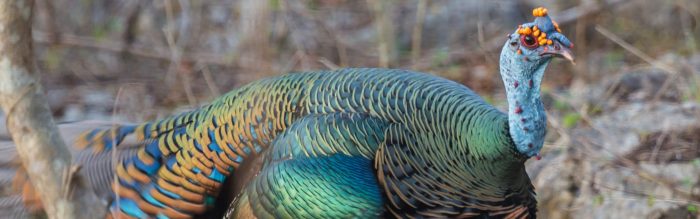
The ocellated turkey was never domesticated as the wild turkey, but they have been kept in captivity and fattened for eating.
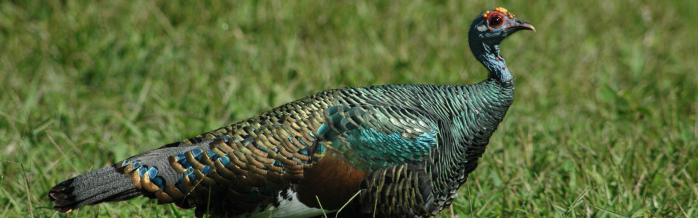
Several zoos in the United States have ocellated turkeys on display, but few have bred the birds successfully.

Ocellated turkeys were valued for Mayan ceremonial banquets and are still eaten by locals today.

The ocellated turkey's vocalization has been written phonetically as “whump-whump-whump—pum-pum-pum-peedle-glunk” or “ting-ting-ting—co-on-cot-zitl-glung."

Nesting season is the only time when ocellated turkeys are associated with heavily vegetated areas, called "bajos".
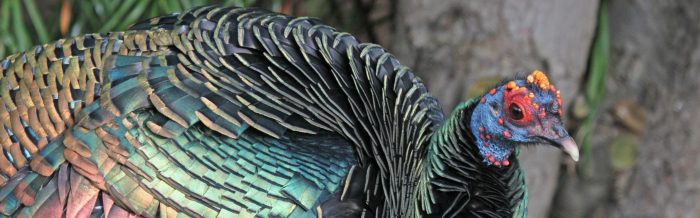
Ocellated turkeys are not nearly as vocal as the other species and subspecies of turkey.

Ocellated turkeys can be found in arid brushlands, savanna, marshland, forests, mature rain forests, and abandoned farmland.

Ocellated hens lay an average of 12 eggs, with an average of 6 poults hatching per hen.

Ocellated turkey predators include gray fox, ocelot, margay, raccoon, coati, jaguarundi, tira, cougar, jaguar, birds, & snakes.
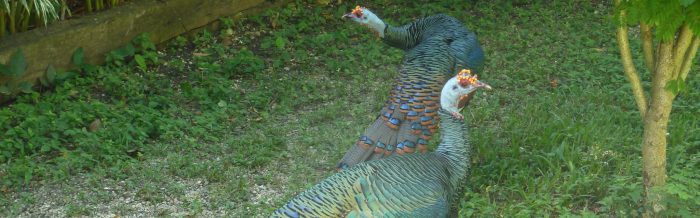
Approximately 70% of ocellated turkey hens and 13% of poults survive the nesting and brood-rearing period.

Much more information is needed regarding the ecology of the ocellated turkey as habitat needs, population dynamics, and management techniques are required to properly conserve this valuable resource.
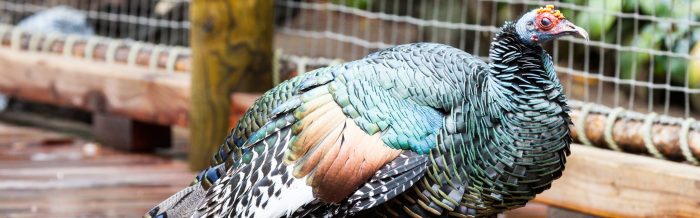
Large scale timbering operations followed by slash-and-burn agriculture are one of the ocellated turkey's primary threats.
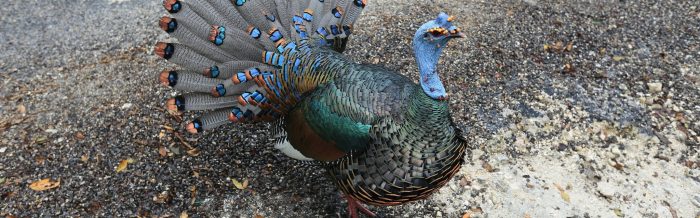
The strutting display of ocellated turkeys is referred to as dancing by the people of Central America.