Beluga whales can migrate freely between salt and fresh water, an ability that other cetaceans do not have.

Join a creative community focusing on a unique animal each month.
FaunaFocus releases a new FaunaFact every single day! These bite-sized bits of information are interesting facts paired with a unique image of that animal.
Beluga whales can migrate freely between salt and fresh water, an ability that other cetaceans do not have.

Beluga whales are playful, social creatures and normally migrate, hunt, and interact in fluid groups of dozens to thousands.

As a result of climate, beluga whales vary in size between different populations, with 50% of their weight being fat, more than other whales, whose body is only 20% fat.
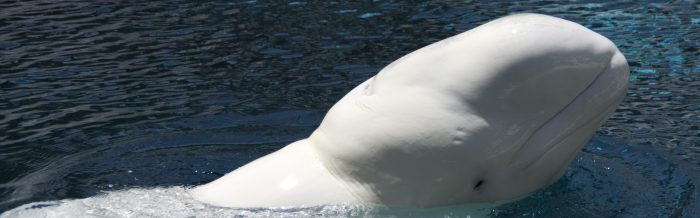
The beluga whale is the only entirely white whale species and derives its name from the Russian word for "white," "belukha".

Beluga whales are nicknamed "sea canaries" for their loud, bird-like high-frequency levels.
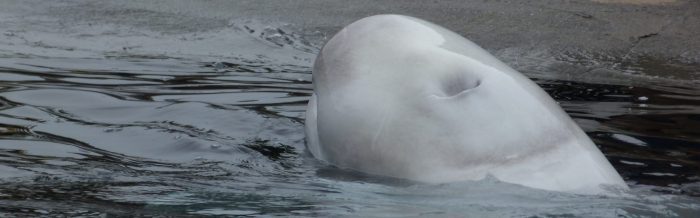
The beluga whale is the only species of whale that is entirely white, but they are born gray and gradually fade to white with age.

Beluga whales are the most abundant of arctic cetaceans, and inhabit 8-10°C inlets, fjords, channels, bays, and shallow waters.

Young, female, teenage beluga whales in nuresery pods take on a nursemaid role throughout May-July when calves are born.

Beluga whales are the only living member of the genus, Delphinapterus, meaning "dolphin without a fin," as they have a shallow ridge along the back, instead of a dorsal fin.

Unlike other cetaceans whose neck vertebrae are fused, the beluga whale has a flexible neck to allow for maneuvering as it hunts or escapes from predators.

Beluga whales use their teeth to grasp prey, rather than for cutting or chewing, and the number of teeth varies with sex and age.

Beluga whale development is not completely known, but gestation is known to last 14 months.

Beluga whales are only found in the Northern Hemisphere in the Arctic and subarctic waters of Asia, Europe, and North America.
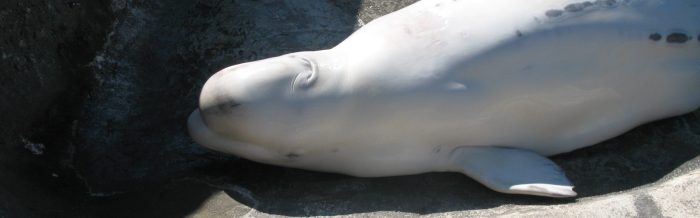
Beluga whales, and their closest living relative, the narwhal (Monodon monoceros), are the only living members of the family Monodontidae.
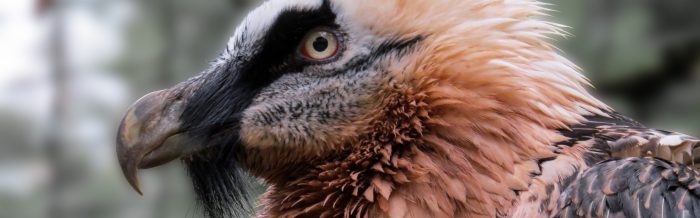
The red coloration of the bearded vulture is cosmetically acquired by bathing in iron-rich spring water and can vary in shade.

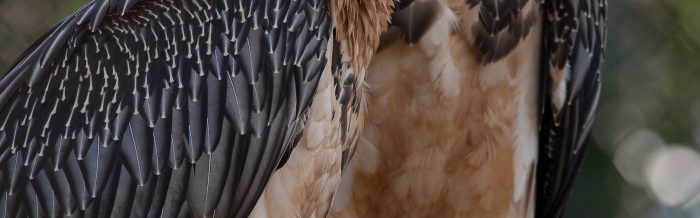
Juvenile bearded vultures have a much different physical appearance than adults and appear dark all over.
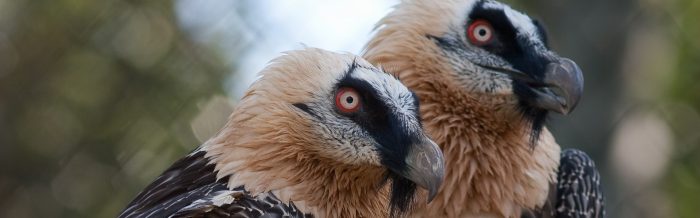
Male and female bearded vultures are very similar in appearance, but females are slightly larger on average.

Unlike most vultures, bearded vultures lack a bald head and have fully feathered neck and legs, likely due to eating bones rather than carrion.
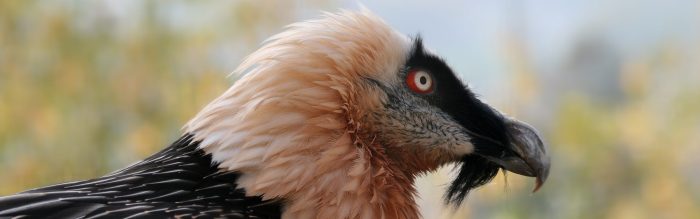
Bearded vultures are named for the long, broad, black bristles that grow from the base of the bill that resemble a beard.

Bearded vultures use ossuaries, rocky bone-dropping sites, to break apart large bones by dropping them from up to 150m in the air.

The bearded vulture is a long-lived bird with a mean lifespan of 21.4 years in the wild, but can live over 45 years in captivity.

Inhabiting remote, desolate cliffs overlooking open grasslands gives bearded vultures easy access to the remains of hunted-down prey.

Bearded vultures are rarely vocal birds, but make loud chuckling noises during courting.
Most bearded vultures are monogamous and heterosexual, but male-male mounting occurs within polyandrous trios, likely to regulate aggression.

Bearded vultures are diurnal and often perform aerial displays, mutual circling, and high-speed chases for social play and courtship.
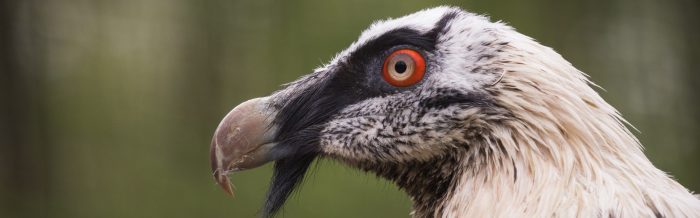
Like other Old World vultures, bearded vultures have poor sense of smell, causing them to rely on excellent eyesight for locating carcasses.
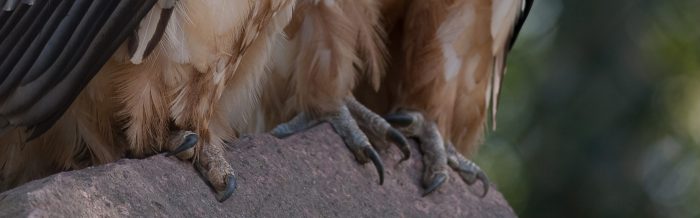
Female bearded vultures in polyandrous trios prefer mating with the alpha male, but will also mate with the beta to increase the likelihood of successful nesting.

Male bearded vultures build nests with branches and animal remains and have several within a single territory, rotating between them, yearly.
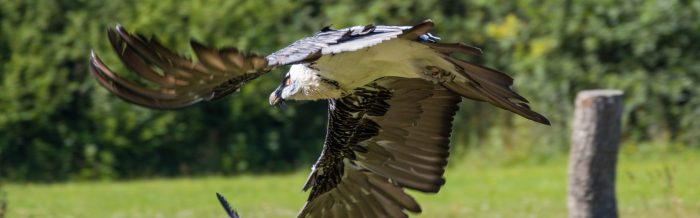
61% of the bearded vulture's diet consists of medium-sized ungulates, which the birds force off cliffs with vigorous beating of their wings.
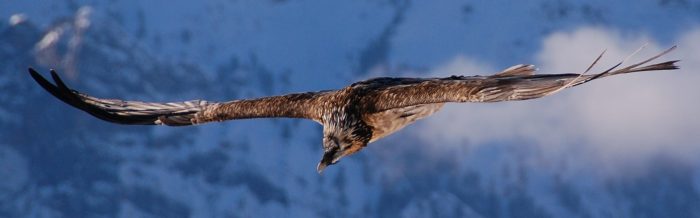
Bearded vultures are territorial and have extremely large home territories that range from 250-700 square km.

The bearded vulture breeding period varies depending on the region and takes about 177 days from egg-laying to fledgling.

Both bearded vulture parents care for their young, and unlike other vultures, deliver prey to the chicks without regurgitation.

The range of bearded vultures extends 3 continents, across southern Europe and Asia and throughout portions Africa.