In captivity, red pandas live well in mixed-sex groups, but in the wild, they remain solitary.
Join a creative community focusing on a unique animal each month.
In captivity, red pandas live well in mixed-sex groups, but in the wild, they remain solitary.
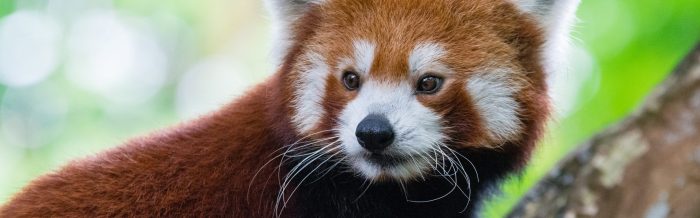
Since its discovery in the early 1800's, the taxonomic classification of the red panda has been a subject of almost as much debate as the placement of the giant panda.
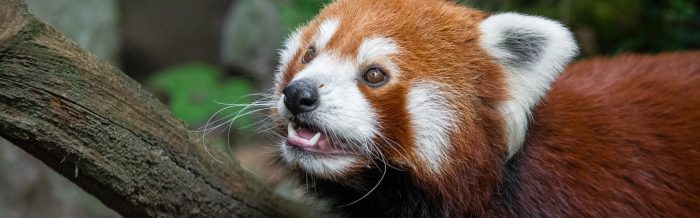
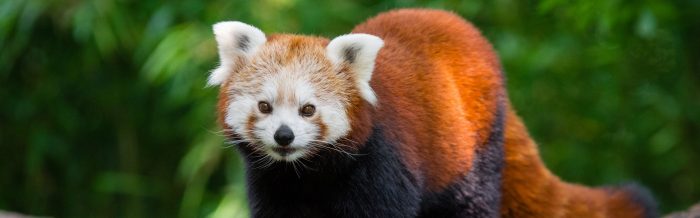
The reddish-orange and white pelage of the red panda provides it camouflage in the reddish-brown moss and white lichens of fir trees.
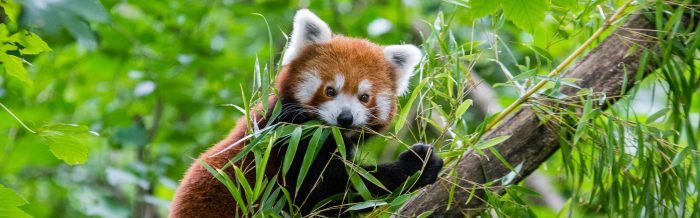
The red panda's diet is 98% bamboo, but the panda also consumes small mammals, birds, eggs, blossoms, leaves, bark, fruit, and berries.
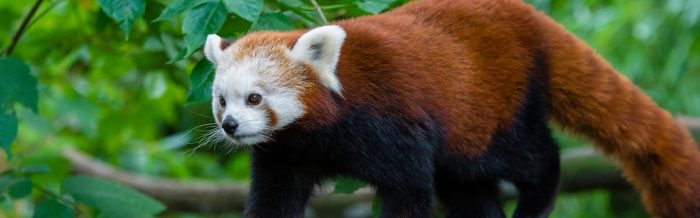
The red panda's tail is not prehensile and makes up 40% of its total length.
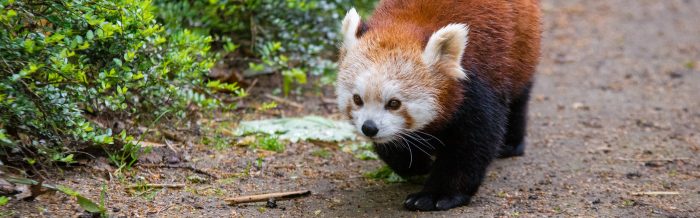
Red pandas are scansorial, but forage primarily on the ground.
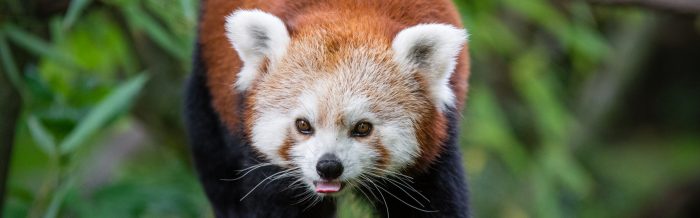
The functional purpose of the red panda having a left lung divided into two lobes, unlike the four in the right lung, is unknown.

Male red pandas rarely interact with their young, but have been observed sleeping or playing with them in captivity.
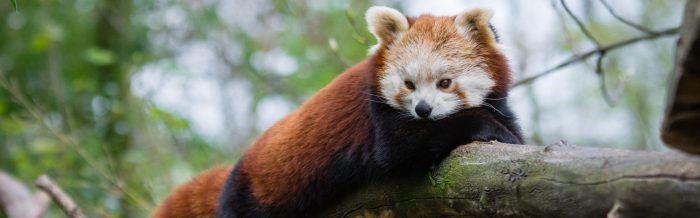
Red pandas are arboreal and prefer residing in conifer or fir trees.
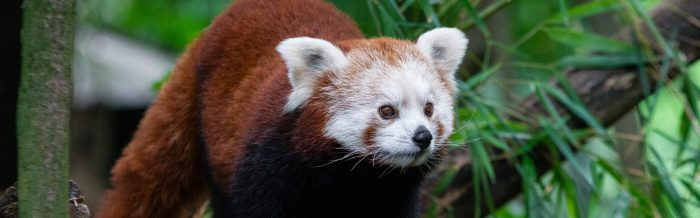
Because of its scarcity, an intensive international breeding program was established for the red panda in more than 30 zoos.
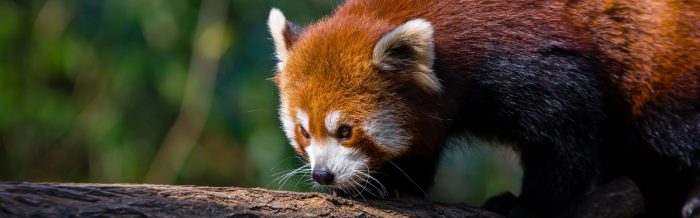
Red pandas are nocturnal and crepuscular, being most active at dawn, dusk, and night, and are polyphasic, sleeping at multiple times throughout the day.
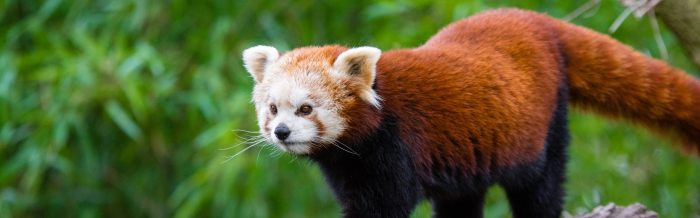
Generally, mortality in red pandas is similar to that of other mammals, but is higher in males.
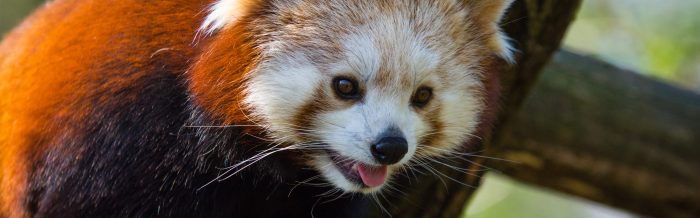
Structural homologies and functional similarities exist between some vocalizations of the red panda and those of the giant panda, Ailuropoda, and Procyonidae.
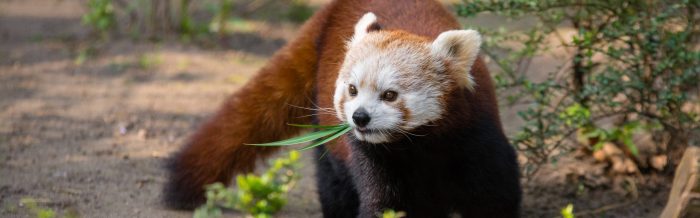
In the wild, red pandas use hollow trees, evergreens, or rock crevices as nest sites, but in captivity, they adopt nest boxes, hollow logs, or other artificial dens.
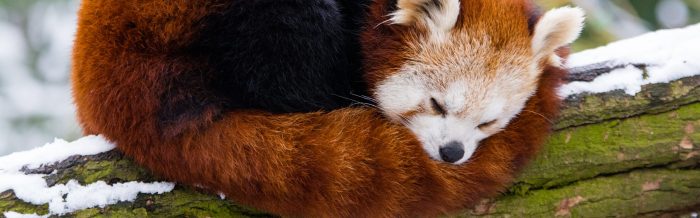
Temperature influences the red panda's sleeping posture as it maintains a tight curl during cold weather but stretches along branches with legs dangling during hot weather.
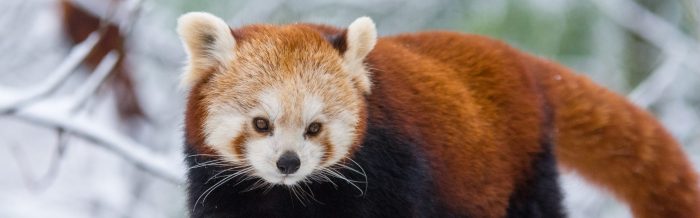
As a result of human encroachment and the unusual biology of bamboos, red pandas may be near extinction in the western sector of their range, especially in Nepal.
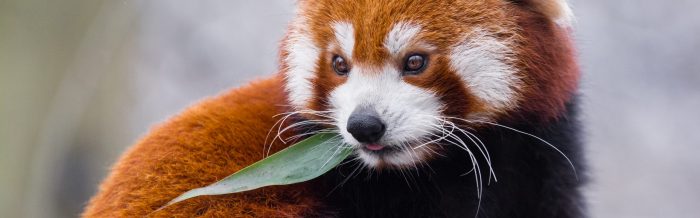
The red panda has little commercial value in live animal and fur trades, but still faces threats by humans.
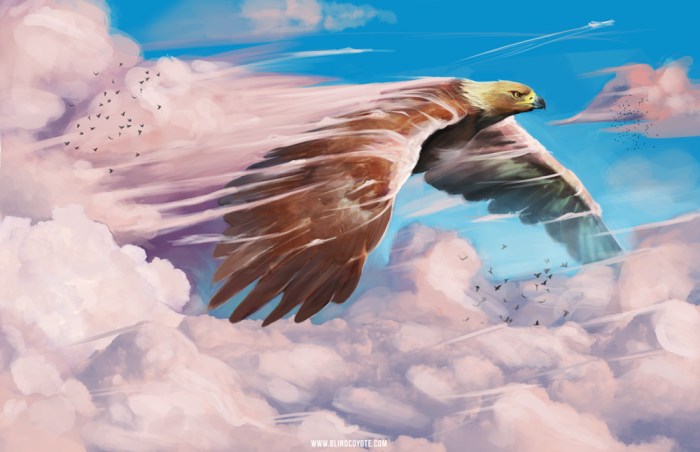
Stephen Michael Scott II is a self-taught freelance illustrator originally from Middletown, Ohio, but currently working from Southeast Michigan. Legally blind in his right eye, he has adopted the name "Blind Coyote." Stephen specializes in imaginative, yet realistic, illustrations featuring fantastical animal creatures in a variety of light-filled environments. He also enjoys creating anthropomorphic characters … Continue reading Blind Coyote
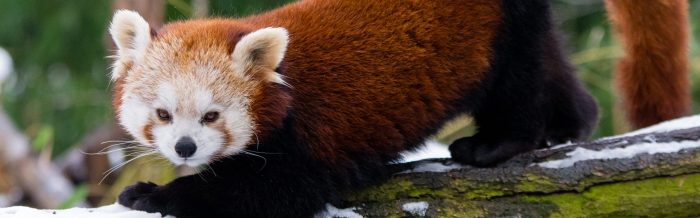
Eastern red pandas may be somewhat larger and darker in color than those from western areas.
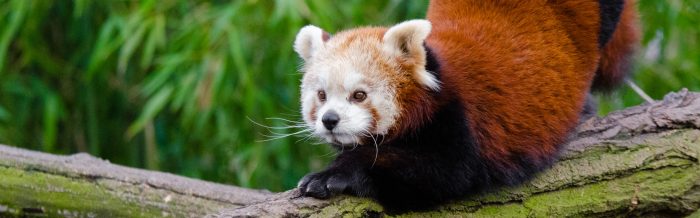
The average gestation period of a red panda is 134 days, implying delayed implantation.
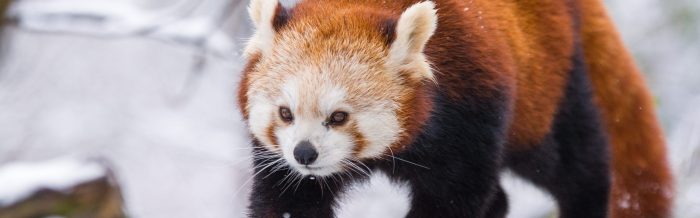
Red panda mating coincides with the winter solstice and occurs in early winter, usually within January and March.
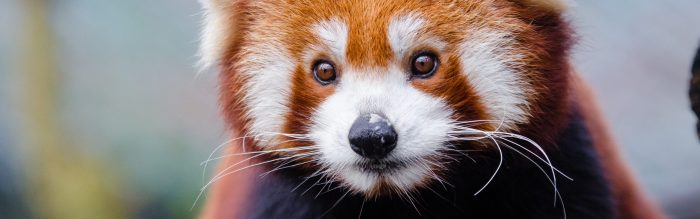
Red pandas live an average lifespan of 8-10 years in captivity, with a maximum of 14 years.
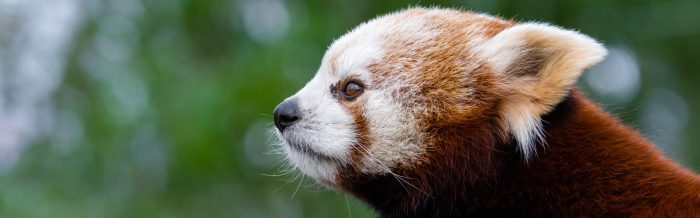
The red panda's skull is larger than similar carnivores in order to improve bite pressure.
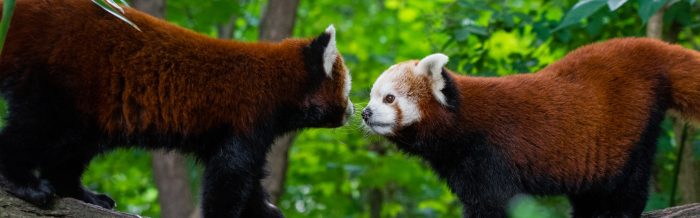
There is debate whether the two extant subspecies of red panda should be considered separate species.
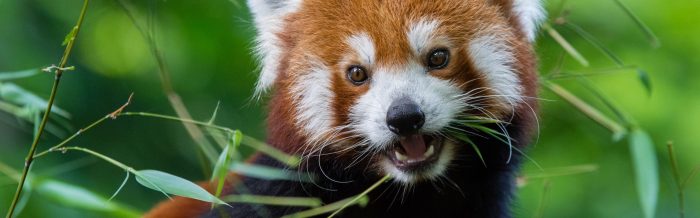
When discovered in 1821, the red panda was the first species to be named "panda," yet the origin of the name is unknown.
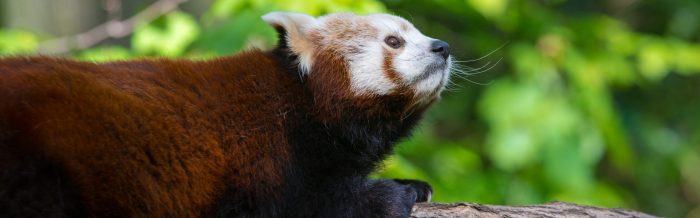
The red panda is the only extant species within the Ailuridae family.
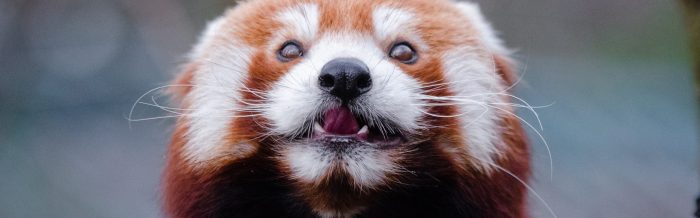
Red pandas possess extremely robust dentition in contrast with that of similar procyonids.
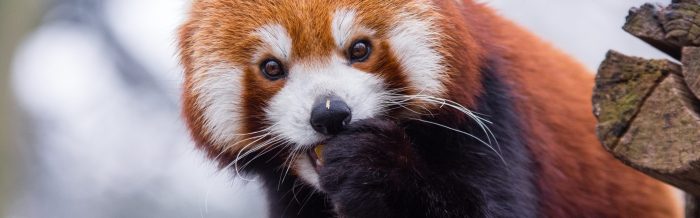
The red panda is the only Asian carnivore in which the plantar surface of the foot is completely covered with hair.
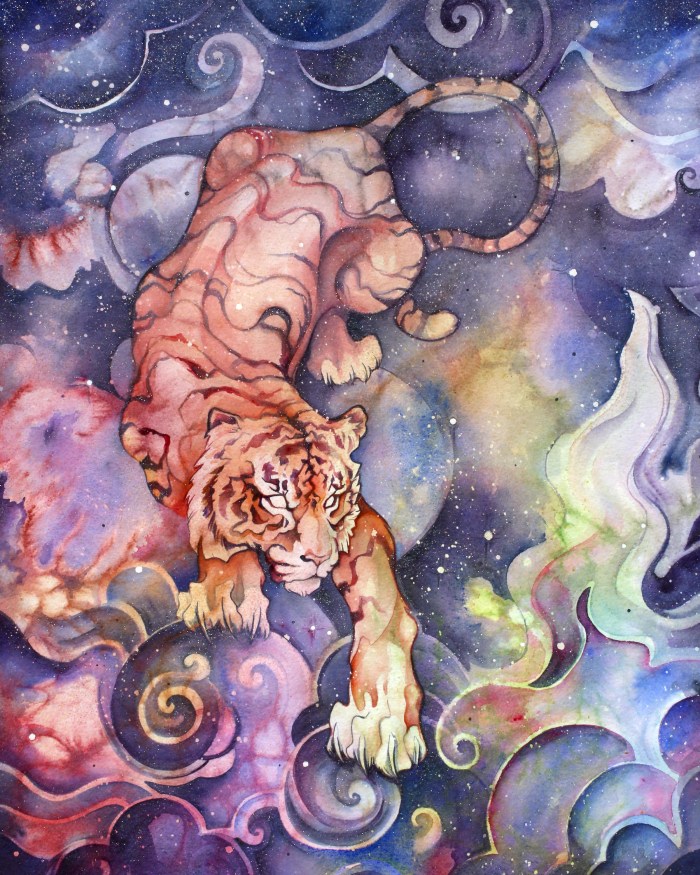
Ashereast painted a pastel-colored celestial tiger full of fluidity and movement. Set amongst a backdrop of stars, this colorful feline gives a calming, yet curious, sense that captures the viewer’s imagination.

Humans are the tiger's only serious predator, and poaching for illegal trade in high-value tiger products including skins, bones, teeth, claws, meat, and tonics is the tiger's greatest threat.

The pattern of stripes is unique to each tiger and can be used to identify individuals, much in the same way as fingerprints are used to identify people.

An analysis of sexual dimorphism suggests that male tigers take larger prey than females.