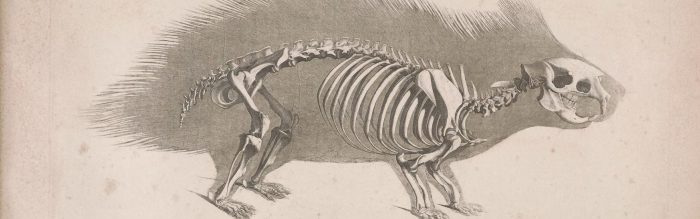
The crested porcupine has characteristic skull morphology with an enlarged nasal cavity, fused shin and calf bones, and reduced collar bone.

Join a creative community focusing on a unique animal each month.
The crested porcupine has characteristic skull morphology with an enlarged nasal cavity, fused shin and calf bones, and reduced collar bone.

Female crested porcupines usually only have one litter per year, giving birth to 1-2 offspring in a grass-lined chamber in the burrow system.
The crested porcupine is considered an agricultural pest and is illegally controlled with poison baits because of the damage it may cause to crops and fields.

The crested porcupine is a solitary forager, known to travel significant distances in search of food.

Due to their spiny anatomy, the female crested porcupine raises her tail while the male stands on his hind legs without transferring weight to the female in order to mate.

Crested porcupine quills are often used as ornaments and talismans.

The crested porcupine is distinct among Old World porcupines due to its shorter tail and the presence of rattle quills at the end of the tail that broaden at the terminal and hiss with vibrations.

Crested porcupines are monogamous and live in small family groups sharing an elaborate burrow system and focusing on intensive care of the young.
The crested porcupine's global population trend is unknown, but it is stable and increasing in mainland Italy.

When threatened, crested porcupines will raise and fan their quills to create the illusion of greater size and charge enemies back-first in order to stab them with their thick, short quills.

Crested porcupines have a plantigrade gait with well-developed claws, bare soles, pawpads, and regressed thumbs.
The average head and body length of the crested porcupine is 60-93 centimeters (24-37 inches), with a tail length of 8-17 centimeters (3-7 inches).

Because it is widespread, the crested porcupine is globally evaluated as "Least Concern" on the IUCN Red List of Threatened Species but is considered "Endangered" in Morocco.
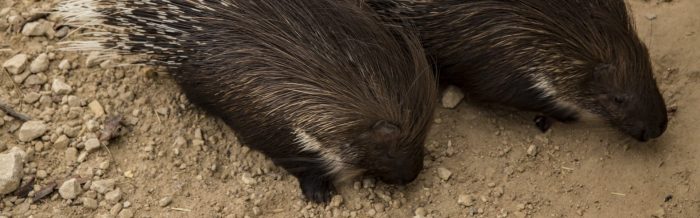
Much of our knowledge of crested porcupine breeding behavior comes from captive individuals and they are known to mate only at night, both in and out of the burrow.

The crested porcupine is also known as the African crested porcupine and its scientific name, Hystrix cristata, refers to its crest of quills.

The crested porcupine is highly adaptable and inhabits forest, savanna, shrubland, grassland, rocky, and artificial terrestrial habitats.
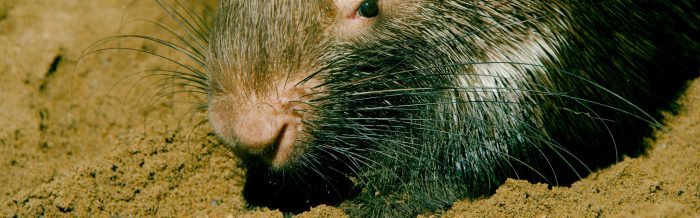
The crested porcupine is a strictly nocturnal animal with very small eyes and external ears and only a slight moonlight avoidance.
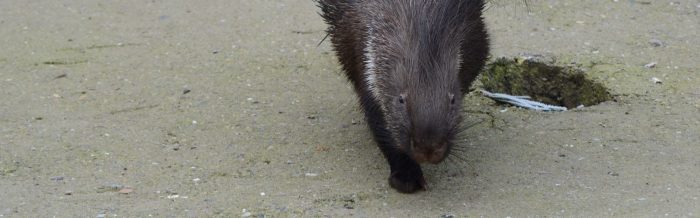
The crested porcupine is primarily a herbivorous forager, but will occasionally consume insects, small vertebrates, and carrion.

Because the meat of the crested porcupine is considered a delicacy and a favored food item for humans, it is illegally hunted, often with dogs, in most parts of its range.

The crested porcupine is terrestrial and lives and breeds in deep, extensive burrows, dens, caves, rock crevices, and aardvark holes.

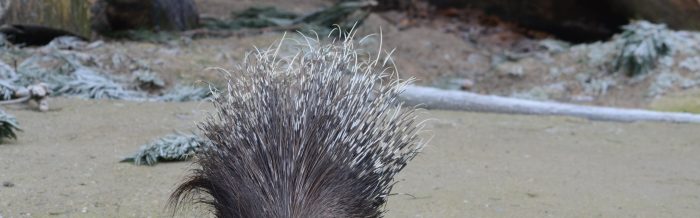
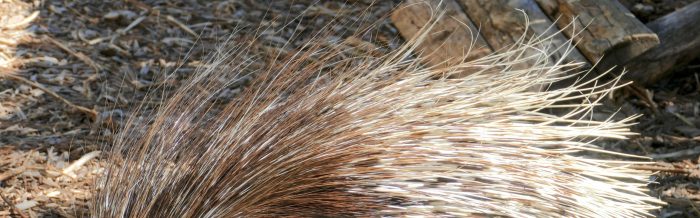
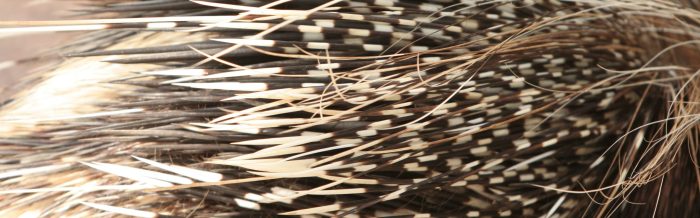
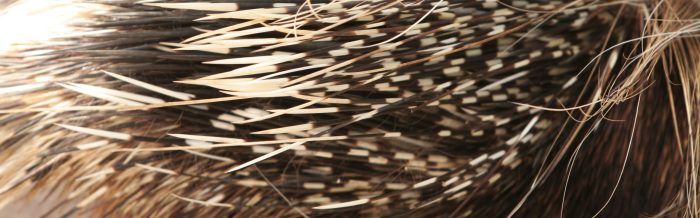
The crested porcupine's commons name refers to the quills along the head, nape, and back that can be raised into a crest, in addition to sturdier, banded quills along the sides and back half of the body.
Do you think you know the crested porcupine? Test your knowledge of crested porcupine FaunaFacts with this trivia quiz!
The crested porcupine inhabits Italy, North Africa, and sub-Saharan Africa from sea level up to 2,550 m.
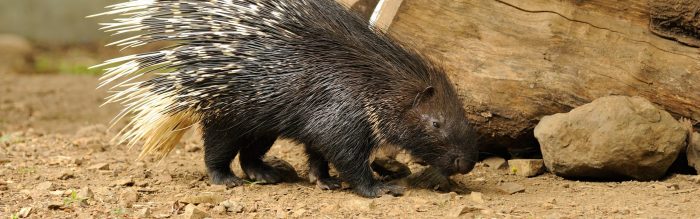
The crested porcupine is an Old World porcupine and one of eight species in the genus Hystrix.
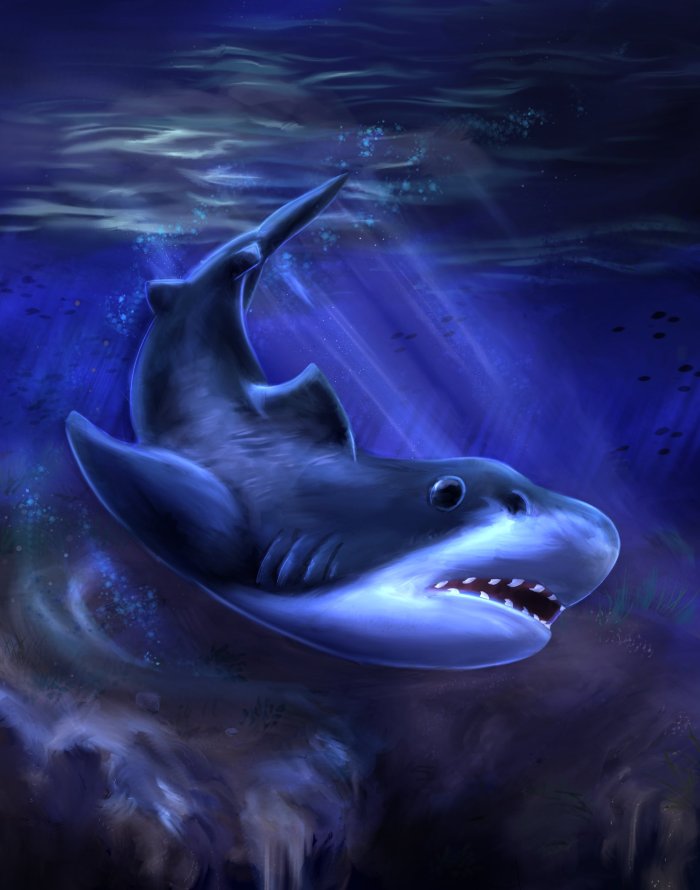
OrangeDrawer created a mostly monochromatic digital illustration with a great sense of depth and environment. The colors, lighting, and detail work of this piece created a moody scene that captured the depths of the tiger shark's habitat.

The tiger shark's triennial reproductive cycle reduces its ability to recover from fishing pressure but its widespread distribution increases the likelihood that it will survive increasing levels of exploitation.

There are no conservation or management measures in place for the tiger shark, but there are bans, quotas, and fishing seasons to regulate catch of the coastal shark.

Although very unlikely, tiger sharks enter shallow, populated areas of coastlines and attack humans on rare occasions.

Because tiger sharks are some of the largest predators in the ocean, they have few species that feed on them, however juveniles fall prey to other sharks.
The tiger shark has a higher intrinsic rate of population increase than many other carcharhinids due to its relatively large litter sizes of 10-80 pups, although many won't survive to adulthood.
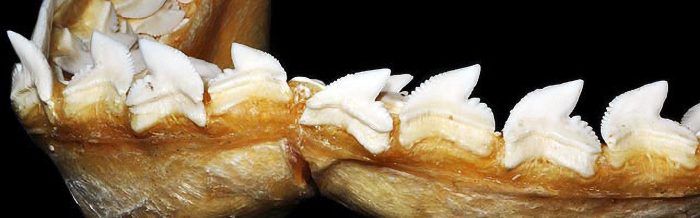
Although the total number of tiger sharks worldwide is unknown, they're known to have a decreasing population trend and have declined 30% over the past 3 generations of 53-68 years.

The tiger shark relies on Ampullae of Lorenzini electromagnetic receptors on the end of its nose and lateral lines on both sides of the body to perceive its environment and to hunt prey.